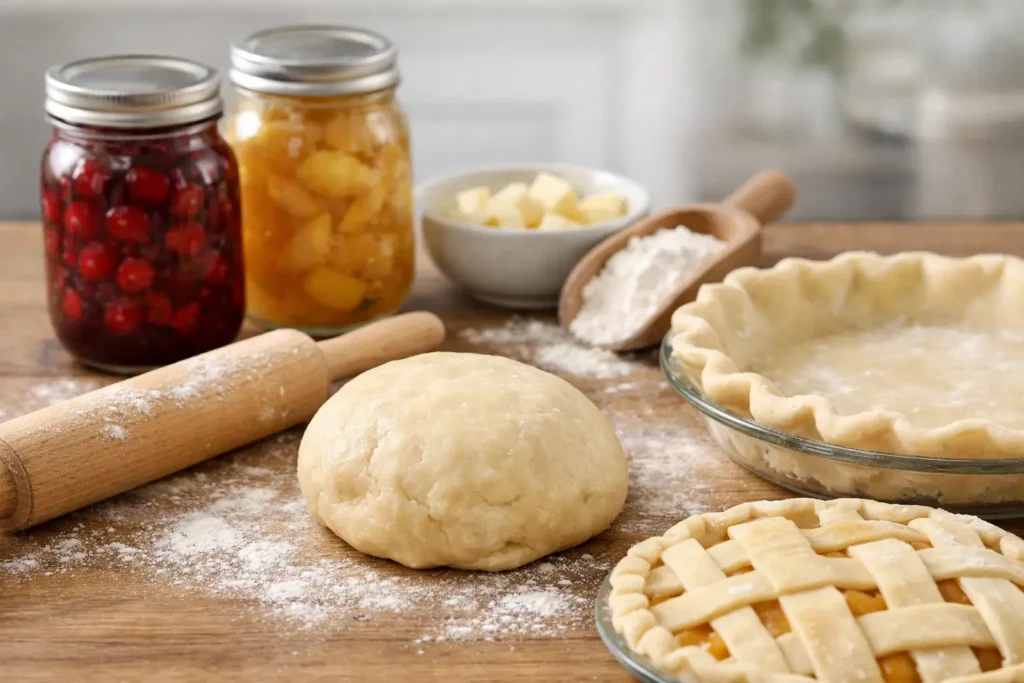
How to Make Pie Dough for Home Canned Pie Fillings
Bread Making & Baking, Safe Canning Practices
Learn how to make pie dough for home canned pie fillings that bakes flaky, holds juicy fruit, and helps you turn pantry jars into easy desserts.
More: Bread Making & Baking, Safe Canning Practices
When AI Chooses Authority Over Accuracy in Home Canning
Safe Canning Practices
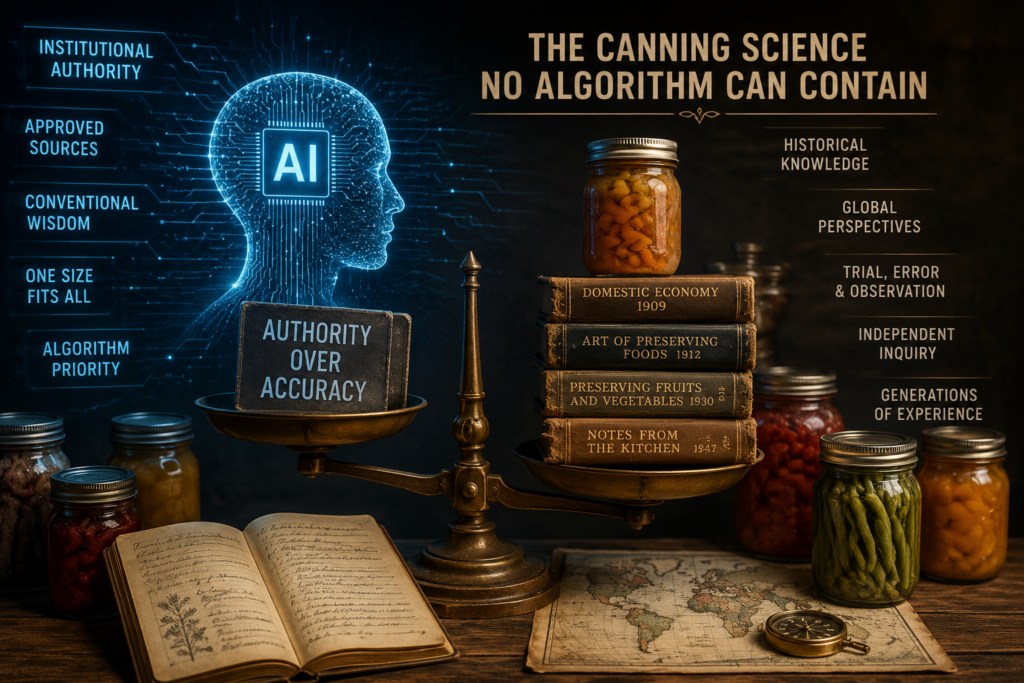
When AI Chooses Authority Over Accuracy: The Canning Science No One’s Allowed to Discuss In this investigative editorial, Diane Devereaux, The Canning Diva®, examines how modern AI systems have become digital enforcers of institutional authority rather than facilitators of discovery. Through her own exchange with Google’s AI assistant about safe…
More: Safe Canning Practices
Safe Pressure Canning for Beginners
Safe Canning Practices
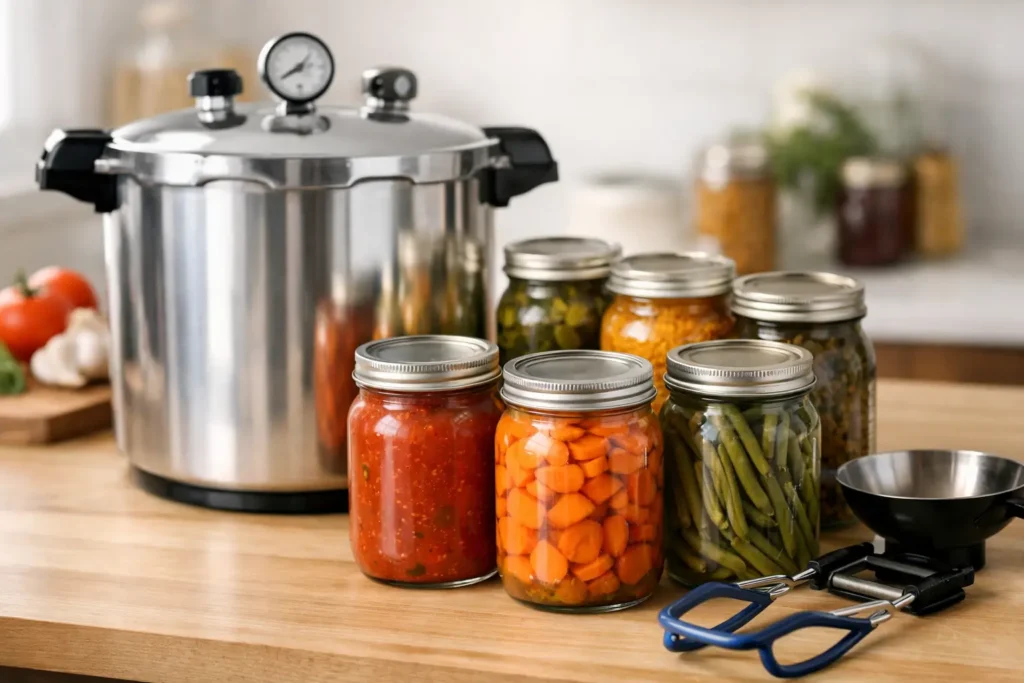
Learn safe pressure canning for beginners with clear steps, equipment basics, and safety rules to build confidence and stock your pantry.
More: Safe Canning Practices
The Mathematics of Fear: How 89% Became a Weapon
Safe Canning Practices
Between 1899 and 1969, fewer than 2,000 cases of botulism were recorded in the United States, averaging approximately 13 deaths per year in a population exceeding 100 million. Yet public messaging focused on a single statistic: that 89% of botulism outbreaks were linked to home-canned foods. Although accurate, this figure…
More: Safe Canning Practices
Prepper Camp 2026: Where Real-World Skills Meet Community
Classes, Current Events, Safe Canning Practices
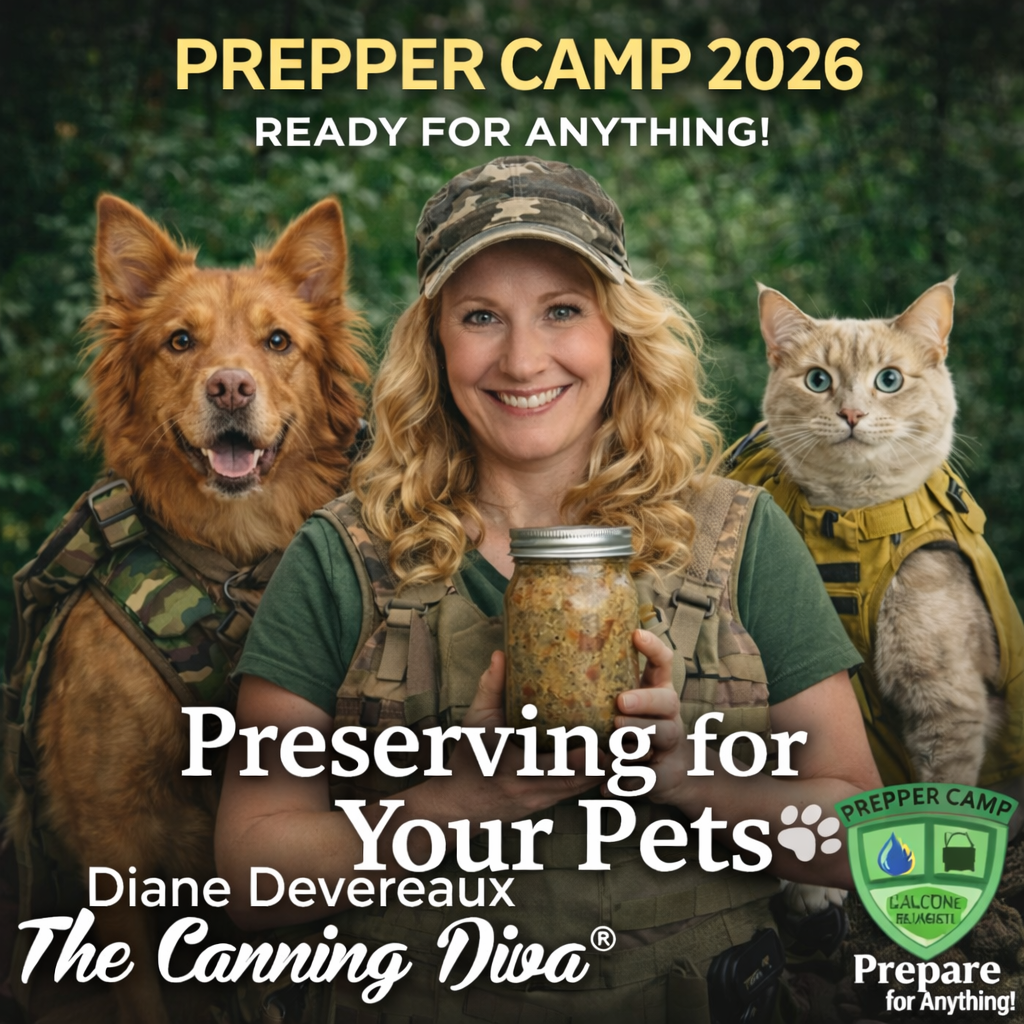
Prepper Camp is widely recognized as the #1 self-reliance, homesteading, off-grid living, and preparedness conference—anywhere. Each year, thousands gather to learn practical, hands-on skills that empower households to become more resilient, prepared, and confident in their ability to provide for themselves. I’m excited to share that I’ll be attending Prepper…
More: Classes, Current Events, Safe Canning Practices
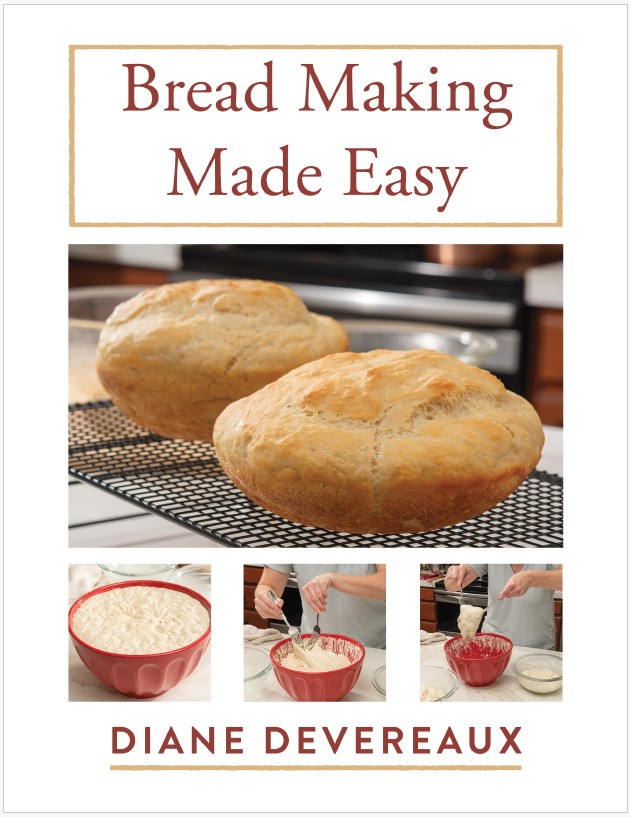
Bread Making Made Easy Free eBook
Bread Making & Baking, Safe Canning Practices
Bread Making Made Easy is a free companion eBook that teaches home cooks how to bake simple, nourishing bread using practical techniques and approachable recipes. Designed for readers of The Canning Diva’s upcoming book From Seed to Table, this guide gives beginners and seasoned bakers alike the confidence to knead,…
More: Bread Making & Baking, Safe Canning Practices
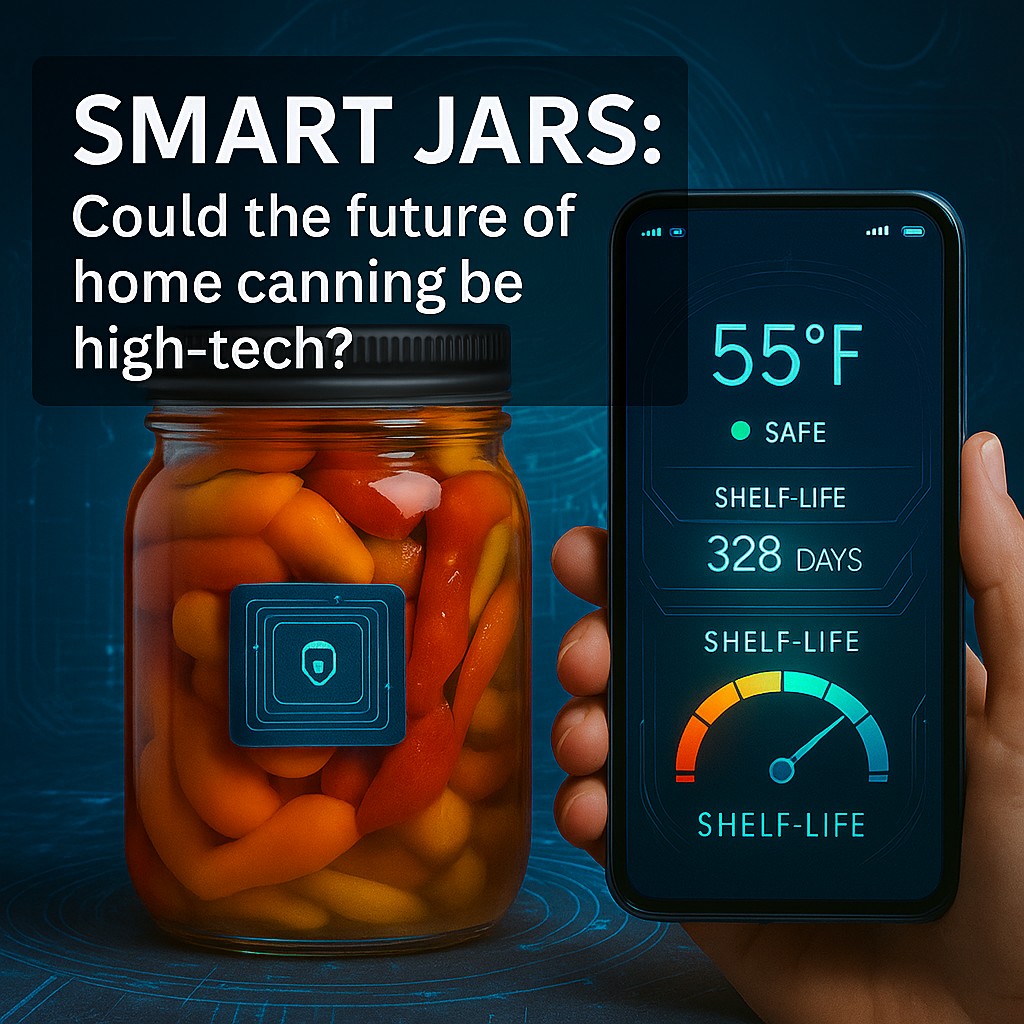
Smart Jars: Could the Future of Home Canning Be High-Tech?
Current Events, Safe Canning Practices
Smart jar technology does not yet exist for home canners, but rapid advancements in commercial food-safety packaging offer a glimpse into what the future could hold. This article explores how innovations like gas-sensing films, time-temperature indicators, and Bluetooth freshness trackers may one day be adapted to mason jars, giving home…
More: Current Events, Safe Canning Practices
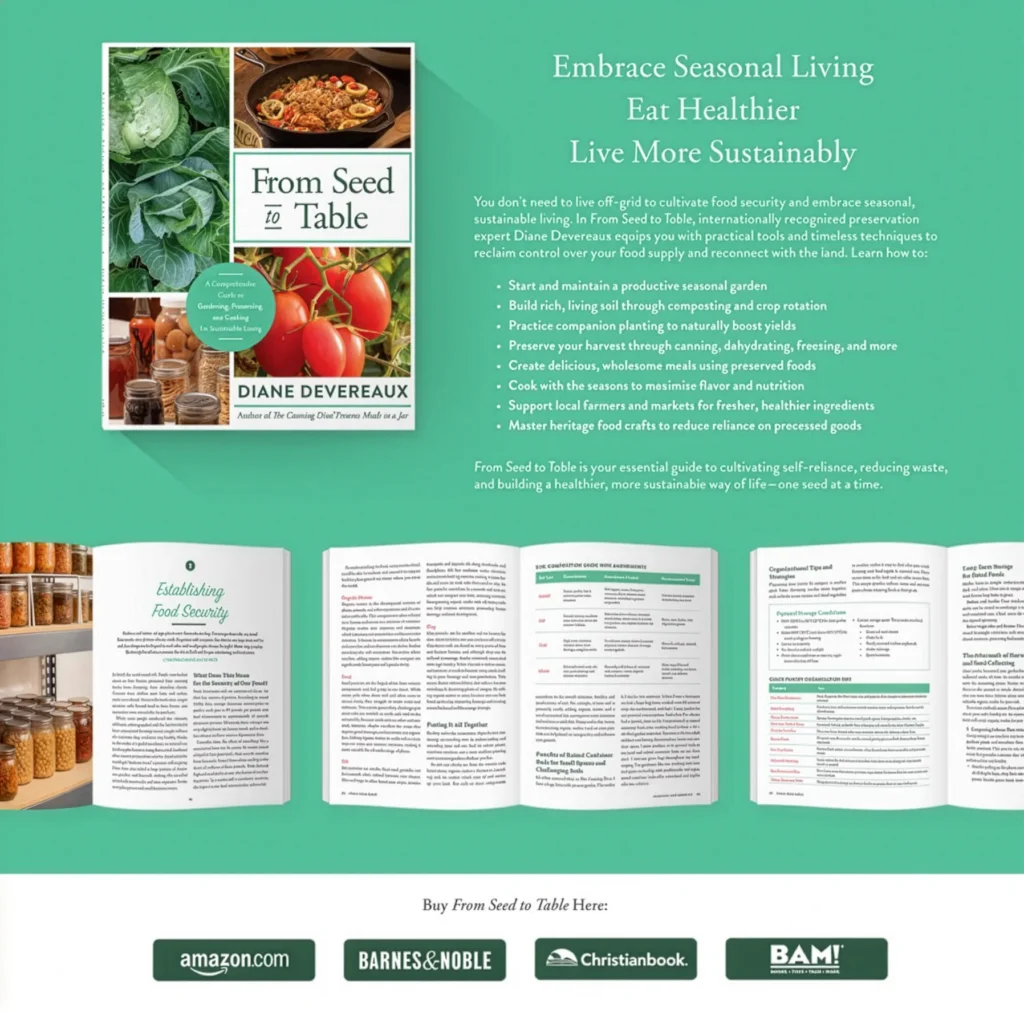
From Seed to Table book by Diane Devereaux | Now Available
Current Events, Safe Canning Practices
I AM THRILLED TO ANNOUNCE my latest book, From Seed to Table, is available in stores! You asked, and I listened. For years, my readers have shared their desire to grow more of their own food, eat with the seasons, and live more sustainably — without having to move off…
More: Current Events, Safe Canning Practices
Pickling Salt vs Table Salt – Key Differences
Safe Canning Practices
Curious about the difference between pickling salt vs table salt? The type of salt you choose can affect flavor, clarity, and results when home canning pickles. Pickling salt is pure, fine-grained, and free from additives, making it the top choice for canning and pickling. Table salt, on the other hand,…
More: Safe Canning Practices
Can You Use a Pressure Cooker for Home Canning?
Safe Canning Practices
Many people wonder if their pressure cooker can double as a pressure canner for preserving foods at home. While the terms “pressure cooker” and “pressure canner” are often used interchangeably, they are not the same tool. The difference lies in size, construction, and whether the appliance can reliably maintain the…