
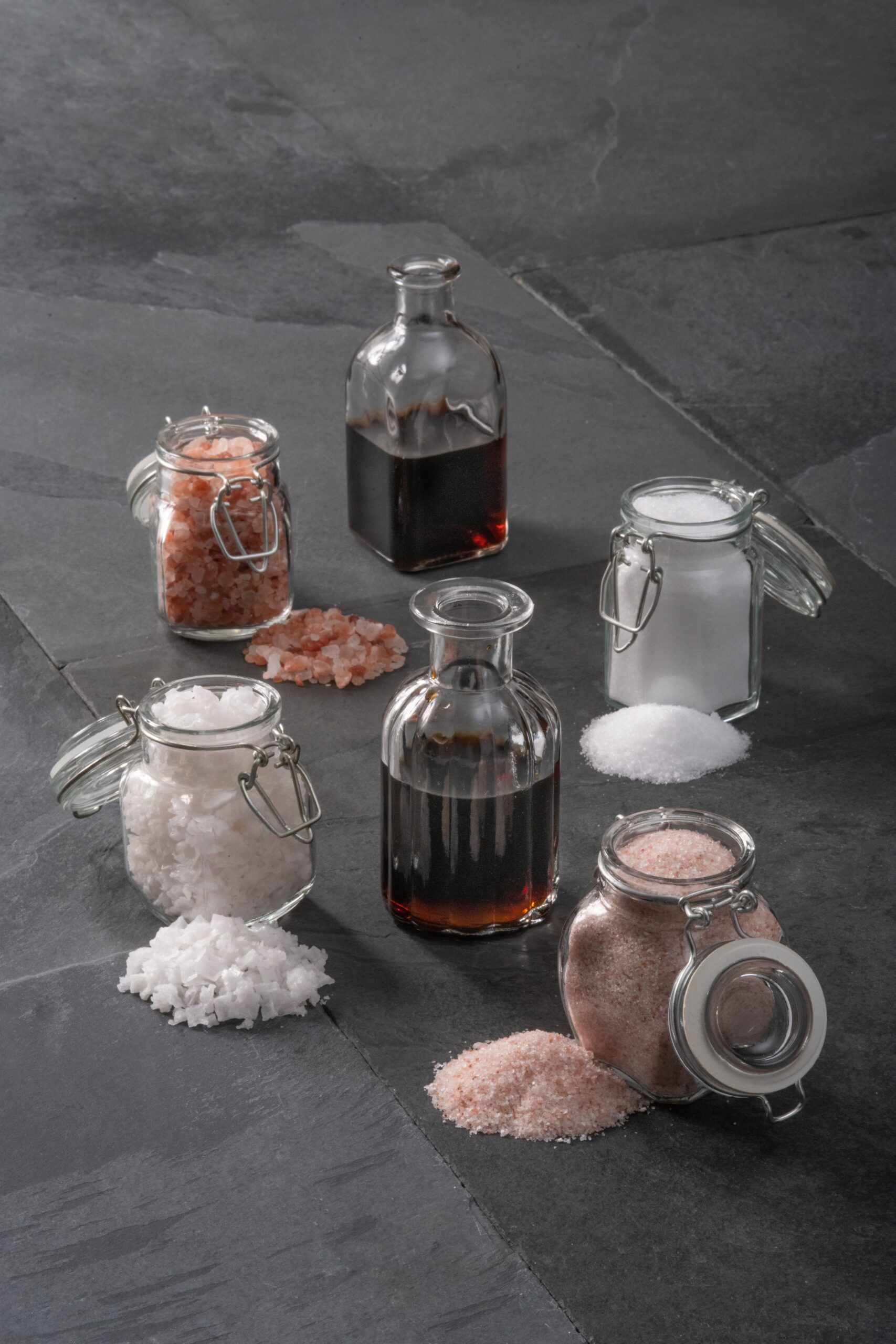
Pickling Salt vs Table Salt – Key Differences
Curious about the difference between pickling salt vs table salt? The type of salt you choose can affect flavor, clarity, and results when home
(I sometimes use affiliate links in my content. This will not cost you anything but it helps me offset my costs to keep creating new
By Diane Devereaux | The
Last updated: September 8, 2025
Key Takeaways
- Pickling salt is pure, additive-free salt that dissolves easily in brines.
- Table salt often contains iodine and anti-caking agents, which can cloud liquid and affect flavor.
- Knowing when to use each salt ensures clear brines, crisp pickles, and consistent results in
canning .
Pickling Salt vs Table Salt
| Feature | Pickling Salt | Table Salt |
|---|---|---|
| Additives | None | Iodine + anti-caking agents |
| Clarity in Brine | Clear | Cloudy |
| Grain Size | Fine, dissolves easily | Fine/varies |
| Best Use | Canning, pickling, fermenting | Daily cooking, seasoning |
Understanding Pickling Salt
Pickling salt is simply pure granulated salt, free of iodine and anti-caking agents. Its fine grain makes it dissolve quickly in water, creating a smooth brine that doesn’t separate or turn cloudy. This clarity is especially important when
Because it’s pure, pickling salt also has a clean, straightforward flavor that lets the natural taste of vegetables and spices shine through. It’s the gold standard for making crisp pickles and other preserved foods.
How Table Salt Differs
Most table salt on grocery store shelves contains iodine, which was added historically to prevent goiter, and anti-caking agents to keep it from clumping. While these additions are harmless in daily cooking, they can cause problems in
That doesn’t mean table salt is unsafe — it simply isn’t ideal for preserving foods where clarity and consistency matter.
When it is Best to Use Each Salt:
- Pickling Salt: Best choice for
canning , fermenting, and making pickling brines where purity and clarity are important. - Table Salt: Perfectly fine for everyday cooking and when
canning meals in a jar recipes, where cloudiness isn’t a concern.
Common Additives in Table Salt That Can Affect Pickling
Often times, the biggest culprit to using table salt is not due to the salt itself, but rather the many additives used in today’s commercial processing. Here is a short list of common additives in table salt which affect our home canned pickling endeavors. When an additive is dissolved in a brine, it can cause cloudiness, residue, or subtle changes in flavor and color. This is why pickling salt, which is pure and additive-free, remains the best salt for
| Additive | Purpose in Table Salt | Effect in Pickling Brine |
|---|---|---|
| Calcium Silicate | Prevents clumping (anti-caking) | Causes cloudiness in liquid |
| Magnesium Carbonate | Keeps salt flowing freely | Can leave residue or haze |
| Sodium Aluminosilicate | Anti-caking agent | May create a cloudy brine |
| Iodine (Potassium Iodide) | Added to prevent goiter | Can slightly alter color or flavor |
Safe Substitutes for Pickling Salt

If you can’t find pickling salt, there are a few safe alternatives you can use in
Some specialty salts, like pink Himalayan salt or smoked salts, can technically be used in pickling, but they may change the flavor, color, or clarity of your brine. For example, Himalayan salt contains trace minerals that may darken vegetables, and smoked salts can overpower delicate flavors. Seasoned or blended salts with added herbs, garlic, or spices should be avoided in pickling, since you want full control over the balance of flavors and measurements. For the clearest brines and most consistent results, stick with pure, additive-free salts like pickling or kosher salt.
For an even deeper dive into how different salts affect home
People Often Ask
A: You can, but it may leave your brine cloudy and slightly change the flavor. For best results, stick with pickling salt or a pure substitute like kosher salt.
A: Not exactly. Both are pure, but kosher salt has larger, coarser crystals, so measurements may differ. Always measure by weight when substituting.
A: Cloudiness often comes from anti-caking agents in table salt. If you used pickling salt, the cloudiness may be due to natural fermentation or minerals in your water. In lacto-fermented pickles, cloudiness is normal and safe — it’s a natural byproduct of lactic acid bacteria. As long as the pickles smell pleasantly sour and not rotten, and there’s no mold or sliminess, they are safe to eat. However, if the brine smells foul, the vegetables are mushy, or mold develops, the batch should be discarded.
About the Author:
Diane Devereaux, The