
Understand What Makes Food Shelf Stable
Food preservation isn’t just about following a recipe—it’s about understanding why those recipes work.
Every jar of safely preserved food depends on controlling the microorganisms, enzymes, moisture, oxygen, acidity, and temperature that naturally cause food to spoil. While botulism often receives the most attention in home
Throughout this course, you’ll build a solid foundation in food safety by learning what makes foods shelf stable, why microorganisms grow, how spoilage occurs, and the science behind preventing it. We’ll also examine Clostridium botulinum in detail, identify common foodborne pathogens, demonstrate the warning signs of spoiled food, and reinforce these concepts through practical learning materials designed specifically for home food preservation.
By the end of this course, you’ll understand the scientific principles that make food preservation safe, recognize the conditions that allow harmful microorganisms to thrive, and gain the confidence to preserve food using research-based methods that protect both your pantry and the people you feed.
Shelf Stability – What Makes Food Shelf Stable?
Every successful home canner begins with one important question: What makes food shelf stable? In this introductory lesson, you’ll learn why food spoils, the role bacteria, yeast, mold, enzymes, oxygen, moisture, acidity, and temperature play in food preservation, and how understanding these principles lays the foundation for safe home
Botulism: What it is and How to Prevent It When Home Canning
Botulism is one of the most misunderstood topics in home food preservation. In this podcast, we take a deeper look at Clostridium botulinum by exploring the bacteria, its dormant spores, and the powerful toxin it can produce under the right conditions. Drawing from scientific research published by the CDC and World Health Organization, we’ll separate fact from fiction, dispel common myths, and explain how proper
Foodborne Pathogens Presentation
Guide to Foodborne Pathogens & Safe Home
This interactive PDF complements the lesson by breaking down bacteria, parasites, molds, yeast, botulism, food spoilage, and proven prevention methods into easy-to-follow sections.
Navigate at your own pace, review key concepts, and build the confidence to identify risks, prevent contamination, and preserve food safely every time.
USDA Technical Bulletin
The Science Behind Pressure
Curious about the science? This technical bulletin explains the research behind safe pressure
Recognizing the Signs of Food Spoilage
Understanding the science behind food preservation is only part of the equation—knowing when a jar has spoiled is just as important. In this short visual demonstration, you’ll see real examples of spoiled home-canned foods and learn how to identify common warning signs, including mold growth, broken seals, discoloration, unusual textures, and other indicators that a food should be discarded. Developing these observation skills is an essential part of preserving food safely and confidently.
Congratulations!
You’ve successfully completed Foodborne Pathogens & Safe Food Preservation, a free online course from The
Throughout this course, you’ve explored the science behind food spoilage, learned what makes food shelf stable, gained a deeper understanding of Clostridium botulinum and other foodborne pathogens, and discovered how proper
Your learning doesn’t have to stop here.
Now that you have a solid foundation in food safety, I invite you to continue with the Three Pillars of Home Food Preservation. Whether you’re preserving tomatoes, mastering the art of pickling, or safely pressure
Happy
Diane Devereaux, The
Continue Learning
- Browse Free
Canning Classes - Explore More Canning Recipes
- Listen to The Canning Diva Podcast
- Shop Diane’s Cookbooks
- Join the Newsletter
- MAIN – Canning University HOME Page from more classes
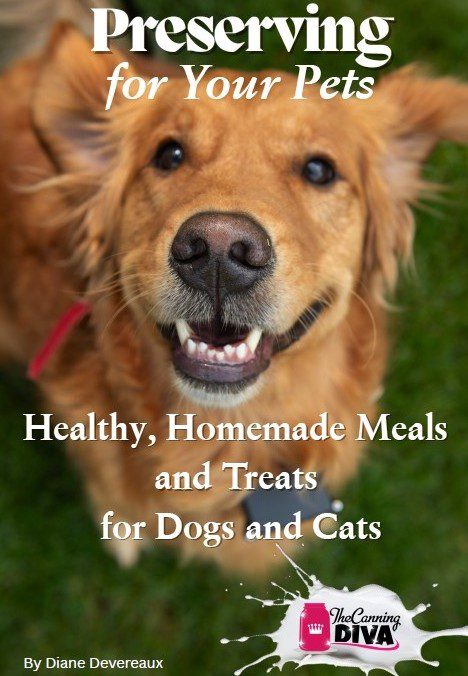
Who says food preservation is just for people? Preserving for Your Pets is packed with wholesome, homemade recipes for dogs and cats using ingredients you can feel good about. From healthy treats and broths to meals and snacks, I'll show you how to preserve nutritious foods your furry family members will love. If your pets are part of the family (and let's be honest—they are!), this book is a fun and practical addition to your kitchen library.