
📌 Note: This article has been archived for historical reference.
For the most current and in-depth information on understanding botulism and the science of home
👉 The 240° Myth: Botulism, Heat Resistance, and the Misunderstood Pressure-Only Mandate
End the misguided fear of contracting botulism while home canning . Learn what botulism is, how to kill it, and what you can do to stay safe when home canning and preserving food in jars.
Let’s Talk Botulism

The Internet and social media are wonderful tools we all use in our everyday lives; however, it also gives many the platform to share misinformation and create a stressful environment filled with contempt. I am sure we have all experienced this stress at one time or another, especially in
At the end of the day, I would like to believe many are simply repeating what they were “told” however many new canners have been handicapped or scared to even attempt to preserve food in jars as a result of half-truths, misinformation and straight up fear-mongering. This blog it to help put an end to the misguided fear and to educate my fellow canners so they may make sound decisions and adapt safe practices when
What is Botulism?
Botulism is rare but serious paralytic illness caused by a nerve toxin that is produced by the bacterium, Clostridium botulinum. Foodborne botulism is a serious, potentially fatal disease. However, it is quite rare. Botulism illness is caused by ingesting the neurotoxins excreted by the bacterium’s spores; spores which thrive in an anaerobic (no free oxygen) environment. Meaning, spores thrive underground in the soil, in water, in dressed wounds and sometimes contaminated air.

There are 7 distinct forms of botulinum toxin, types A–G. Four of these (types A, B, E and rarely F) cause human botulism. Types C, D and E cause illness in other mammals, birds and fish.
Botulinum toxins are ingested through improperly processed food in which the bacteria or the spores survive, then grow and produce the toxins. A sealed Mason jar is the perfect environment for a spore to produce toxins if 1) the spore is present to begin with because the vegetable, meat or seafood was not properly handled, cleaned and prepared prior to being packed into a jar and 2) if the jar of food was not properly processed at the required time and temperature without the presence of acid.
How often are Home Canners getting Botulism intoxication?
While botulism toxin can be deadly, I would like to provide a fresh prospective using hard data. In the United States over the last 18 years, there have only been 43 cases of botulism from home-canned vegetables, which are the most common cause of botulism outbreaks in the US.
From 1996 to 2014, there were 210 outbreaks of foodborne botulism reported to CDC. Of the 145 outbreaks that were caused by home-prepared foods, 43 outbreaks, were from home-canned vegetables.
The Center for Disease Control – June 6, 2019
So digest this for a moment (no pun intended)… In the course of 18 years, only 43 people across the entire United States, with a population of over 300,000,000 people, contracted botulism from home canned foods. Read that again. A total of 43 people over the course of 18 years; that’s less than 3 people a year in a population of 300 million who contracted botulism from home
According to the World Health Organization, botulism can be fatal in 5% to 10% of the cases world-wide. So while the incidence of food derived botulism is low overall, its mortality rate is even lower. Do know that the highest rate of success in surviving botulism is with prompt diagnosis and appropriate, immediate treatment. Thankfully there is an anti-toxin available in the event of intoxication.

In the United States, botulism outbreaks are commonly caused by group I strains, specifically serotype A. strains. The United States reports incidences of botulism cases at .0068 per 100,000 inhabitants. In Europe, group II strains are more commonly associated with foodborne botulism cases. Globally, type E strains are responsible for 70% of outbreaks associated with fish, seafood, or marine mammals (particularly culturally fermented foods), whereas globally types A. and B. are more frequently associated with vegetables and meat.
Botulism is NOT a by-product of home canning .
Home
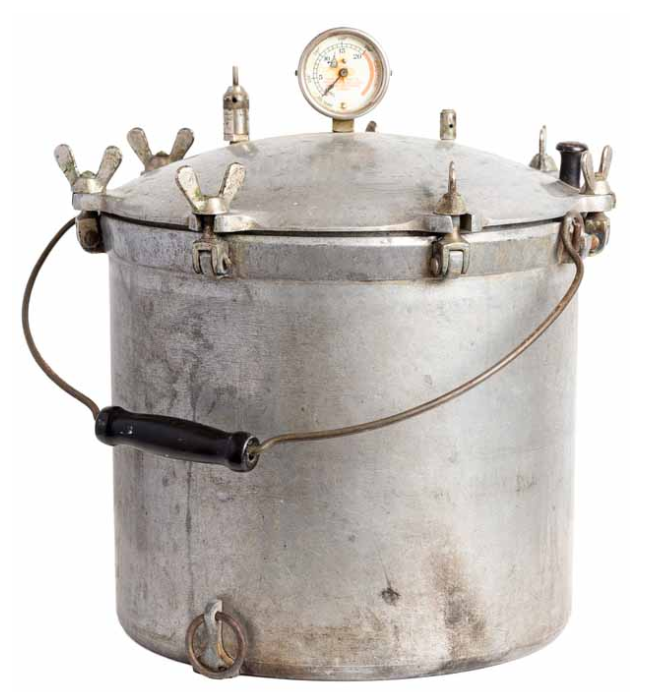
While we have many resources and advanced technologies making home
Personally, I exercise and advocate the use of a pressure canner when preserving low-acid foods because it is more efficient and I can double my yield. With that, I am not about to tell someone who has had generations of success preserving low-acid foods using a water bather to stop or they’ll die of botulism. As an educator, I teach canners to use the most current methodology and techniques, but at the end of the day I cannot control what takes place in a person’s home kitchen.
Misguided compilations of half-truths
As I mentioned earlier, the Internet and social media groups provide a quick resource for
While groups such as mine offer these wonderful attributes, some are a haven for negativity and misinformation. So you may discern the accuracy of about botulism and
Half-Truth: “You cannot water bath low acid foods.”
Truth: While I do not advocate for water bathing low-acid foods, you most certainly can water bath low-acid foods successfully – it just takes an extended period of time at a consistent 212°F (a full-rolling boil) to do so. For instance, what would take us 90 minutes in a pressure canner, takes 3 hours in a water bather to accomplish the same result. For those of you shouting at your computer screens “water bathing low-acid foods is not recommended by the USDA”; may I remind you, a recommendation means a suggestion for the best course of action. A suggestion is not a rule nor is it law. A suggestion or recommendation is merely advice or encouragement, nothing more.
Half-Truth: “Botulism has various strains so you can still die of botulism if you do not follow the recipe.”
Truth: Of the 7 botulism toxins strains, only 3 truly affect humans (A., B., E. and very rarely ever F.) and of that the 3 types are foodborne, infant or wound botulism. The Clostridium botulinum in foods is the focus of prevention when cooking and
Half-Truth: “Botulism spores are embedded in the skin of potatoes, so you must only home can potatoes with the skin off.”
Truth: Botulism spores thrive in an anaerobic environment, which means they could be underground in our soil. The spores could also be present in manure and aquatic sediments used for fertilizer. What it does not mean however is that the spore burrows its way into the root crop or into its skin. The spore could be in the soil still clinging to the root crop which is why it is imperative to wash your root crops (all vegetables really) in fresh, running water and scrub them with a vegetable brush to remove smaller soil particles resting within the grooves and crevices of the root crop or vegetable. Or, if you really want to alleviate all possibilities, you may peel your root crops, which is why it is recommended
Half-Truth: “Improperly
Truth: First of all,
Half-Truth: “Botulism cannot be destroyed by heat alone.”
Truth: Botulism TOXIN can be destroyed by heat alone. It is the toxin that makes you sick. The Botulism SPORE cannot be destroyed by heat, but can be destroyed by acid. The spore can be ingested with little to no affect, pending you do not have an intestinal issue that could complicate matters like diverticulitis, but I digress.
Half-Truth: “Pressure
Truth: Heat doesn’t kill the spore. Heat only kills the toxin created by the spore – if the spore is even present to begin with and if the environment is conducive. Many high-acid foods do not require the higher temperatures of pressure
As you can see, there’s far more to this dangerous “B word” than the blanket statements made by those with “good intentions”. As an educator, my focus is to give you sound information and resources so you may preserve food without fear and so you may limit risks in your home kitchen.
How to prevent Botulism intoxication.
Proper cleaning, handling and preparing of your vegetables, meats and seafood eliminates the spore (if present). This rings true even if you are cooking a meal. If you have properly cleaned your foods the likelihood of a spore entering the jar is highly rare.
If a spore has entered the jar and emitted toxins during storage, you would never know because you cannot see, smell or taste the toxin. To ensure your low-acid home canned recipes remain safe to eat, when ready to eat, simply empty the jar contents into a pan, and bring it to a boil for the required period of time.
All that is needed to properly kill the botulism toxin is an internal food temperature of 85°C/185°F for 5 minutes. Don’t believe me, here is what the World Health Organization states: https://www.who.int/news-room/fact-sheets/detail/botulism
I hope this article has assisted you in gaining a better understanding of what causes botulism, how to prevent it and what traps to avoid when using social media groups for
While each of the three offer sound recommendations, there are many other resources worth researching. Do not be afraid to step outside of your comfort zone and glean knowledge from those of us who successfully can food in jars on a daily basis in our home kitchens.
Be leery of
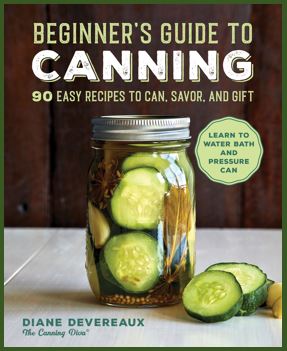
I am proud to share my 30 years of experience and extensive expertise with canners across the globe. My methodology when teaching does not stem from fear, but from empowerment. My goal, through the exchange of knowledge and ideas, is to boost your confidence and give you tools to be successful.
If you would like to learn more about the importance of time, temperature and acidic value and how foodborne pathogens can be avoided when
Please reach out any time if you have a
Happy
xo,
The
Resources
Click on the various links to dive deeper into the facts, data, and statistics referenced above.
https://www.who.int/news-room/fact-sheets/detail/botulism
http://www.ph.lacounty.gov/acd/procs/b73/DiseaseChapters/B73Botulism.pdf
https://www.cdc.gov/botulism/pdf/bot-manual.pdf
https://www.cdc.gov/botulism/consumer.html
https://www.encyclopedia.com/medicine/diseases-and-conditions/pathology/botulism
https://www.who.int/activities/promoting-safe-food-handling