
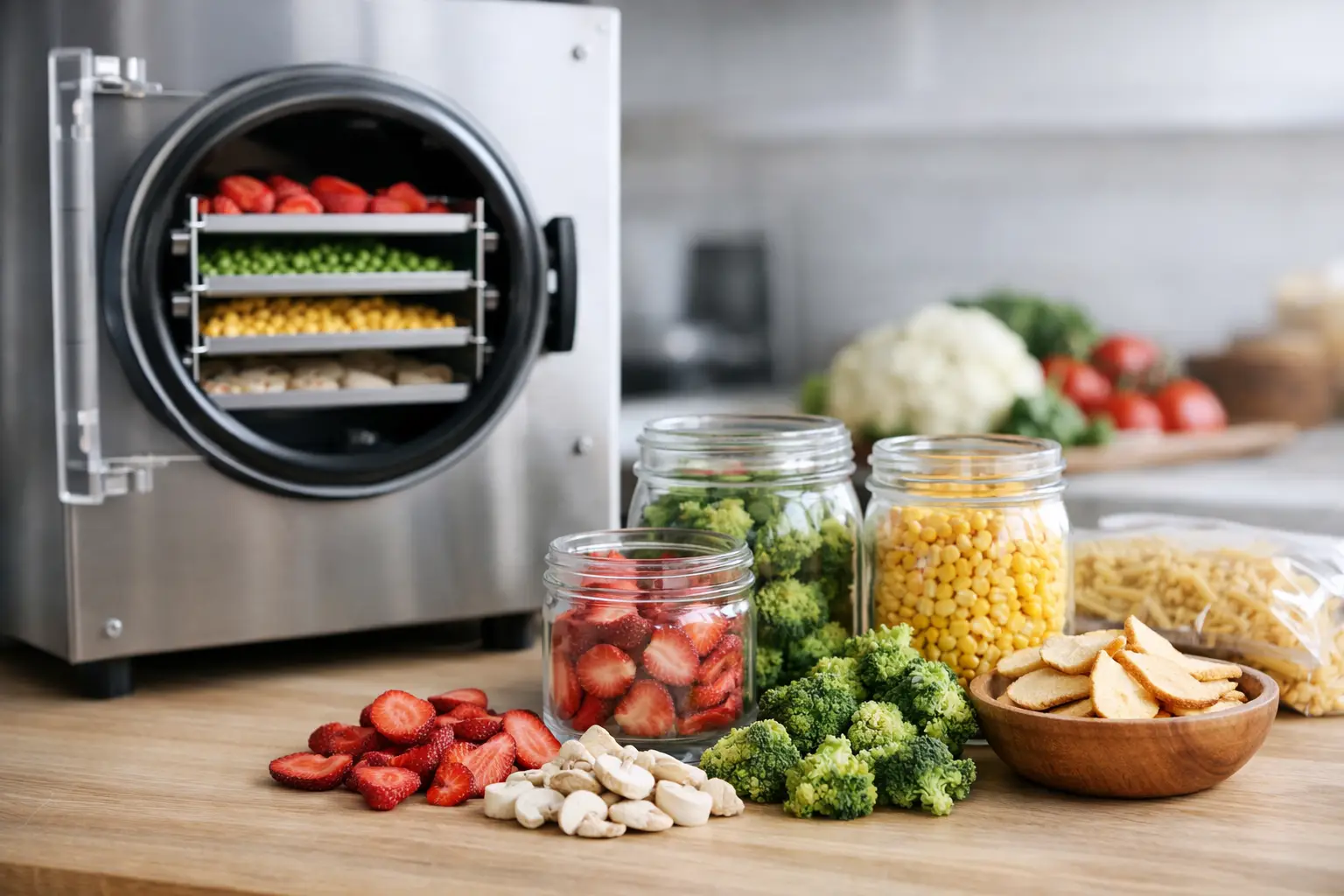
Freeze Drying Food at Home: Is It Worth It?
Freeze drying food at home has quickly become one of the most talked-about methods of modern food preservation, promising long shelf life, lightweight storage, and convenient meals ready when you need them most. But before investing thousands of dollars into a freeze dryer, it is important to understand what this preservation method does well, where it falls short, and whether it truly fits your household’s needs, budget, and long-term food goals.
(I sometimes use affiliate links in my content. This will not cost you anything but it helps me offset my costs to keep creating new
By Diane Devereaux | The
Last updated: May 10, 2026
A garden harvest can turn on you fast. One week you have more berries, herbs, eggs, or cooked leftovers than you can reasonably use, and the next week you are watching quality slip on the counter or in the refrigerator. That is why freeze drying food at home has caught the attention of gardeners, homesteaders, and preparedness-minded households. It offers a way to preserve food with impressive shelf life, strong flavor retention, and the convenience of storing meals and ingredients in a compact form.
But freeze drying is not the right answer for every kitchen. It is a serious investment, it requires planning, and it works best when you understand what it can and cannot do well. If you are trying to build a dependable home food system, this method deserves a clear-eyed look.
What freeze drying food at home actually does
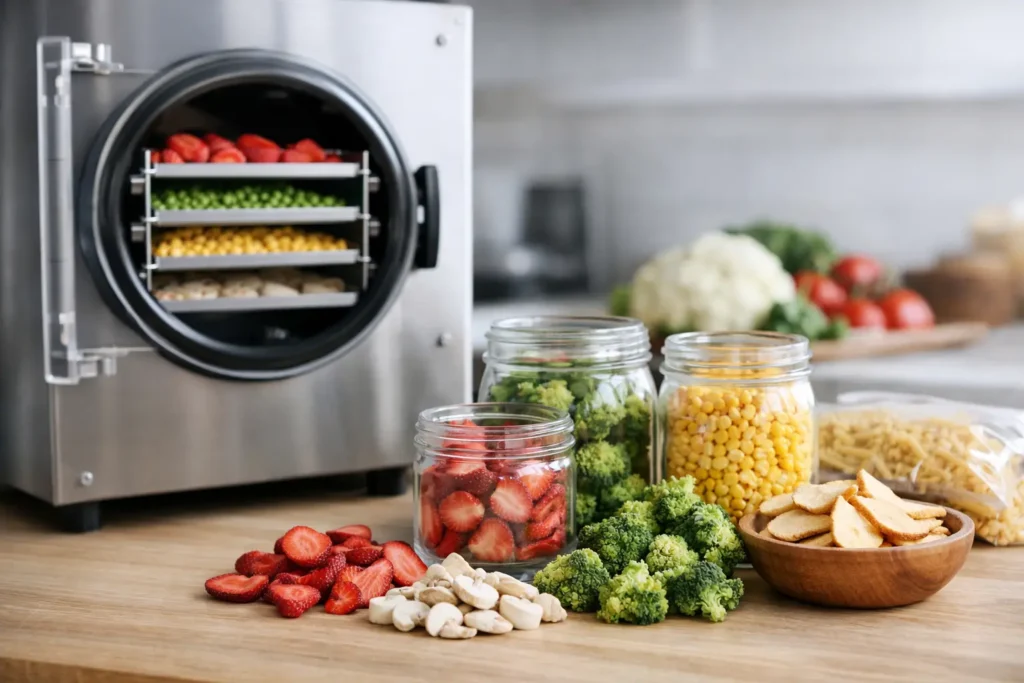
Freeze drying removes moisture from food after the food has been frozen. The machine creates a deep vacuum and uses controlled heat so the ice in the food turns to vapor and leaves the product without first becoming liquid water. That matters because liquid water is what damages texture, encourages spoilage, and shortens storage life.
The result is food that is dry, lightweight, and often very close to its original shape. Strawberries still look like strawberries. Scrambled eggs can be powdered or crumbled and stored for later use. Cooked meals such as soups, pasta dishes, or casseroles can be dried and later rehydrated for quick meals.
For a preparedness pantry, that is a meaningful advantage. You are not just preserving ingredients. You can preserve convenience.
Why freeze drying food at home appeals to self-reliant households
If you already can, dehydrate, freeze, or ferment, freeze drying adds another tool to your preservation plan. It fills a very specific gap and handles many foods that are awkward to dehydrate, too bulky to keep frozen long term, or not ideal for
Additionally, a freeze dryer gives you more control over ingredients. That matters for families avoiding excess sodium, preservatives, artificial flavors, or common allergens. You can preserve your own broth, your own fruit, your own complete meals, and know exactly what went into them.
There is also a waste-reduction benefit. Extra celery from the garden, leftover cooked chicken, extra yogurt bites for snacks, or even seasonal herbs can be freeze dried instead of forgotten. For households trying to stretch grocery dollars and make seasonal abundance last, that is no small thing.
The biggest trade-off is cost
This is where enthusiasm needs to meet reality. Home freeze dryers are expensive, and the machine is only part of the cost. You also need bags or jars for storage, oxygen absorbers, electricity, and space to operate the unit. Some households may also want an oil-free pump or replacement pump supplies, depending on the machine.
A single batch may also take well over 24 hours depending on the food and machine size, making patience and electricity usage part of the equation. If you preserve food regularly, buy in bulk, grow a large garden, raise animals, or build long-term emergency stores, the math may work in your favor over time. If you only preserve a few batches a year, it may not.
There is also a labor cost. You still need to wash, trim, cook, cool, portion, and package food properly. Freeze drying is convenient later, not always simpler upfront.

Which foods do best in a home freeze dryer
Some foods are excellent candidates. Fruits are one of the easiest and most rewarding places to start because they retain color and flavor well. Berries, peaches, apples, bananas, and pineapple are popular for good reason. Vegetables also do well, especially when diced or prepared for soups, casseroles, and side dishes.
Cooked meats can work very well when they are lean and cut into manageable pieces. Ground beef, chicken, turkey, and diced ham are practical pantry staples. Eggs are another favorite for many households. Dairy can be more mixed depending on the product, but yogurt, shredded cheese, and some sauces can perform well.
Complete meals are where many home preservers see the biggest payoff. Freeze-dried chili, beef stew, chicken and rice, pasta dishes, and soup bases can become fast pantry meals. If your goal is readiness, preserving full meals gives you more flexibility than storing ingredients alone.
High-fat foods are the caution zone. Butter, peanut butter, pure chocolate, bacon-heavy dishes, and greasy foods generally do not store as long because fat does not freeze dry the same way water does. Fat can go rancid. That does not always mean you cannot dry those foods, but it does mean shelf life may be shorter and expectations need to be realistic.
Safety matters after the machine shuts off
A freeze dryer is a preservation machine, not a shortcut around food safety. The machine removes moisture, but your handling before and after the cycle still matters.
Start with clean food and clean equipment. If a food needs to be cooked for safety before storage, cook it fully before freeze drying. Cool foods appropriately before loading trays. Avoid leaving perishable foods at room temperature while you prep batch after batch.
When the cycle is complete, check for dryness all the way through, especially with dense foods. If the center feels cool, gummy, or moist, it needs more drying time. Packaging is just as important. Exposure to air and moisture will quickly ruin your work, so use airtight storage with oxygen control where appropriate. Label every package with the product and date.
Storage conditions matter too. Cool, dark, dry spaces are best. Long shelf life depends on the whole chain being done well, not just the machine cycle.
Freeze drying versus canning and dehydrating
For readers who already preserve food, this is the question that usually matters most. Freeze drying is not better than
Canning gives you ready-to-eat jars, proven methods for high-acid and pressure-canned foods, and a pantry format many families already trust. It is excellent for sauces, vegetables, meats, broths, jams, and complete meals. It does, however, require shelf space and the texture of some foods changes during processing.
Dehydrating is usually the most affordable entry point. It works well for herbs, fruit leather, apple slices, jerky, and many vegetables. But dehydration often changes texture more significantly, and some foods simply do not rehydrate as well.
Freeze drying shines when you want long storage, lighter weight, and better retention of shape and flavor. It is especially useful for snacks, ingredients, and full meals meant for camping, quick weeknight use, or emergency storage. In a well-run home pantry, these methods can work together. That is often the smartest approach.
Who should consider freeze drying food at home
If you garden heavily, batch cook, hunt, buy half a beef, preserve seasonal produce, or maintain a deep pantry, a freeze dryer may earn its keep. The same is true for households with dietary restrictions who need homemade convenience foods they can trust.
It also makes sense for people building food reserves with variety. Freeze-dried ingredients and meals store compactly and can help round out a pantry that already includes canned goods, grains, legumes, and frozen foods.
If your main goal is preserving tomato sauce, green beans, pickles, applesauce, and jams,
A smart way to start
Before purchasing a unit, think through your household habits. What food do you waste most often. What do you buy repeatedly that could be preserved in season. Which meals would help you most on hard weeks, busy nights, or power outages. Those answers will tell you more than any sales pitch.
If you do invest, start with easy wins. Freeze dry fruit, vegetables, cooked meat, and one or two dependable family meals. Learn how your machine behaves, how long foods really take, and which packaging system fits your storage plan. Keep records. That habit alone will make you a stronger preserver.
For many households, freeze drying food at home is not about novelty. It is about building a pantry that is practical, efficient, and ready when life gets busy or uncertain. The best preservation method is the one you can use safely, consistently, and with confidence. Choose the tools that help you stay prepared and keep your people well fed.
About the Author:
Diane Devereaux, The