
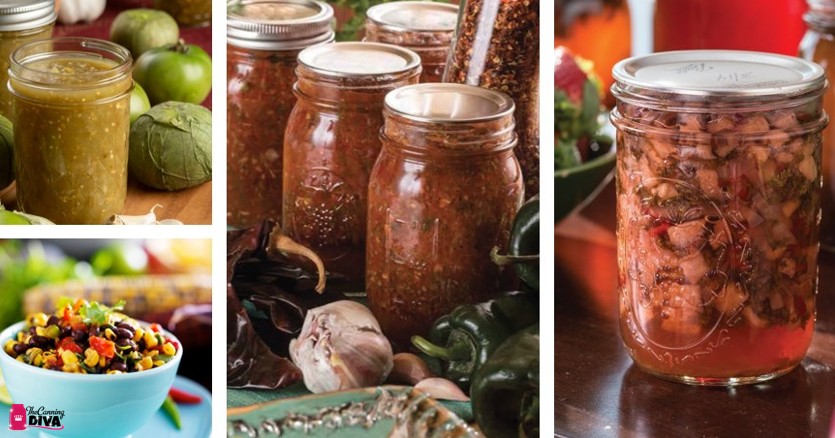
7 Tips for Making the Best Salsa for Canning
Looking for the best salsa for
(I sometimes use affiliate links in my content. This will not cost you anything but it helps me offset my costs to keep creating new
By Diane Devereaux | The
Last updated: September 8, 2025
Key Takeaways
- Roasting tomatoes, peppers, or garlic first creates deeper, smoky flavor in salsa.
- High-acid fruits and fresh herbs are safe swaps that make salsa for
canning unique and delicious. - Canned salsa isn’t just for chips — use it to elevate meals like chili, soups, or posole.
7 Tips for Making the Best Salsa for Canning
1. Roast Your Ingredients for Bold Flavor
Instead of tossing raw tomatoes, peppers, or garlic straight into your salsa, try roasting them first. Roasting caramelizes natural sugars and deepens the flavor, giving your salsa a smoky richness you just can’t achieve otherwise. A drizzle of olive oil over garlic cloves before roasting them in the oven makes them soft and sweet, blending perfectly into your salsa base.
2. Play With Fresh Herbs
Cilantro is the classic salsa herb, but you don’t have to stop there. Fresh mint, oregano, or even basil can transform your salsa into something new and exciting. Herbs add layers of flavor without changing safety, given the salsa’s higher acidic content. If you’d like inspiration, check out my Strawberry Salsa recipe where cilantro and mint work together beautifully.

3. Swap Tomatoes for Fruit
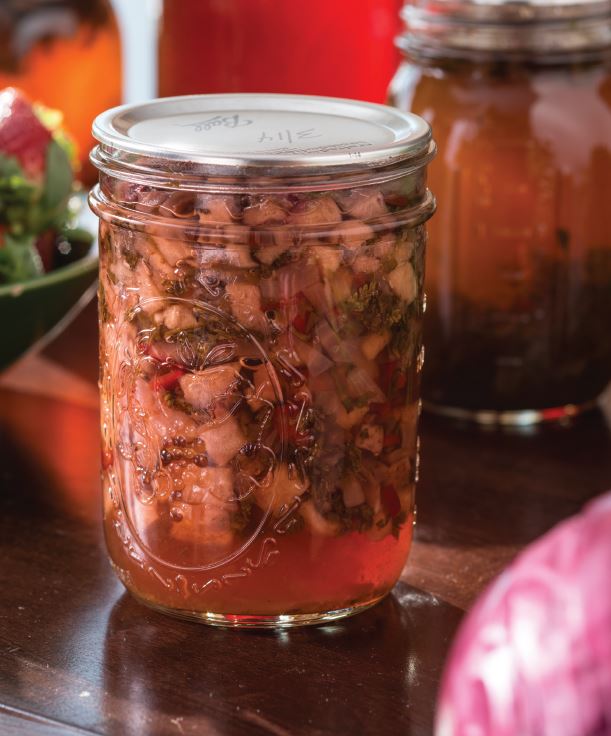
Who says salsa has to be all tomatoes? High-acid fruits like peaches, strawberries, pineapples, and mangoes are perfectly safe substitutions that bring sweetness and tang. Fruit salsas pair beautifully with grilled meats or seafood, and they make for a stunning addition to your
4. Have Fun With Acidity
Acidity is what keeps salsa safe for long-term storage, but you can still get creative with it. Swap white vinegar for apple cider vinegar to add subtle sweetness, or use bottled lime juice instead of lemon juice for a fresh citrus twist. As long as you keep the required ratios the same and your vinegar is at least 5% acidity, you may confidently customize flavors without affecting safety.
Not sure which swaps are safe for salsa
| Swap Option | Safe for | Flavor Profile | Best Use |
|---|---|---|---|
| White Vinegar (5%) | ✅ Yes | Sharp, clean | Traditional tomato-based salsa |
| Apple Cider Vinegar (5%) | ✅ Yes | Mild, slightly sweet | Fruit salsas like peach or mango |
| Bottled Lemon Juice | ✅ Yes | Bright, citrusy | Garlic-forward or tomato-heavy salsa |
| Bottled Lime Juice | ✅ Yes | Tangy, zesty | Southwestern or tropical-style salsa |
| Fresh Herbs (cilantro, mint, oregano, basil) | ✅ Yes | Adds freshness and depth | Customize flavor without affecting safety |
| High-Acid Fruits (peach, pineapple, mango, strawberry) | ✅ Yes | Sweet, tangy | Replace tomatoes for unique fruit salsas |
5. Adjust Heat Without Compromising Safety
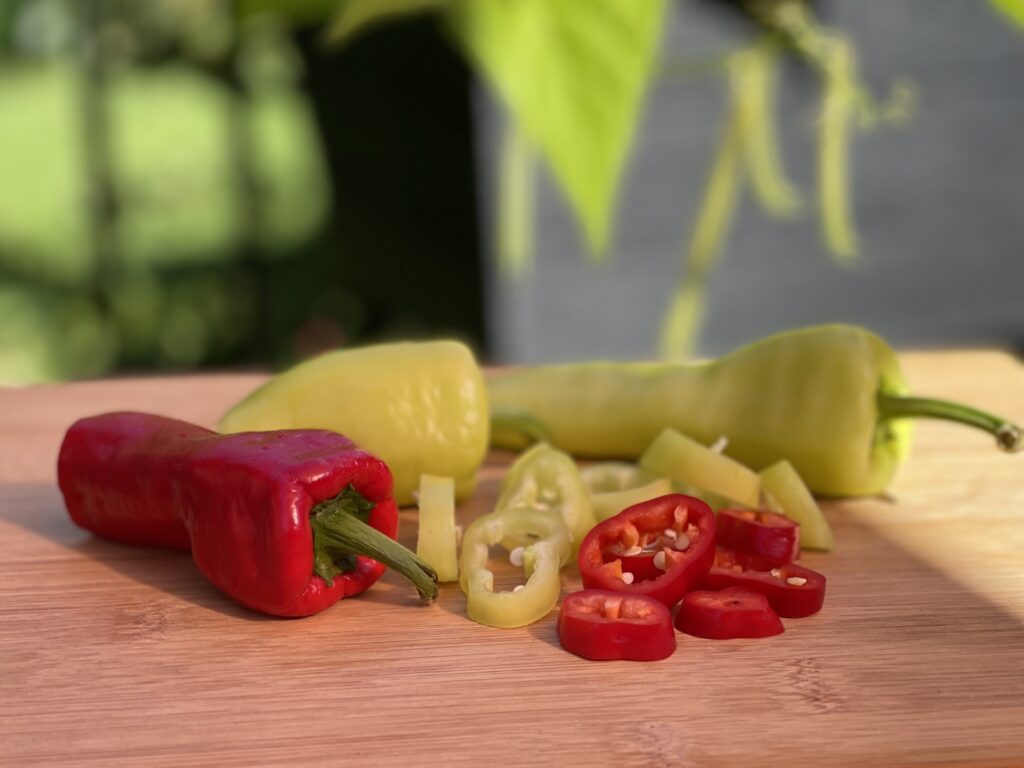
Whether you prefer mild salsa or one that makes you sweat, you can safely adjust the type of peppers you use. Just be sure not to increase the total volume of peppers in your recipe unless you are instructed to do so within the recipe. Mixing jalapeños with poblanos or serranos with bell peppers lets you play with flavor and spice levels while keeping the acidity and ratios correct for safe
6. Use a Food Processor for Texture
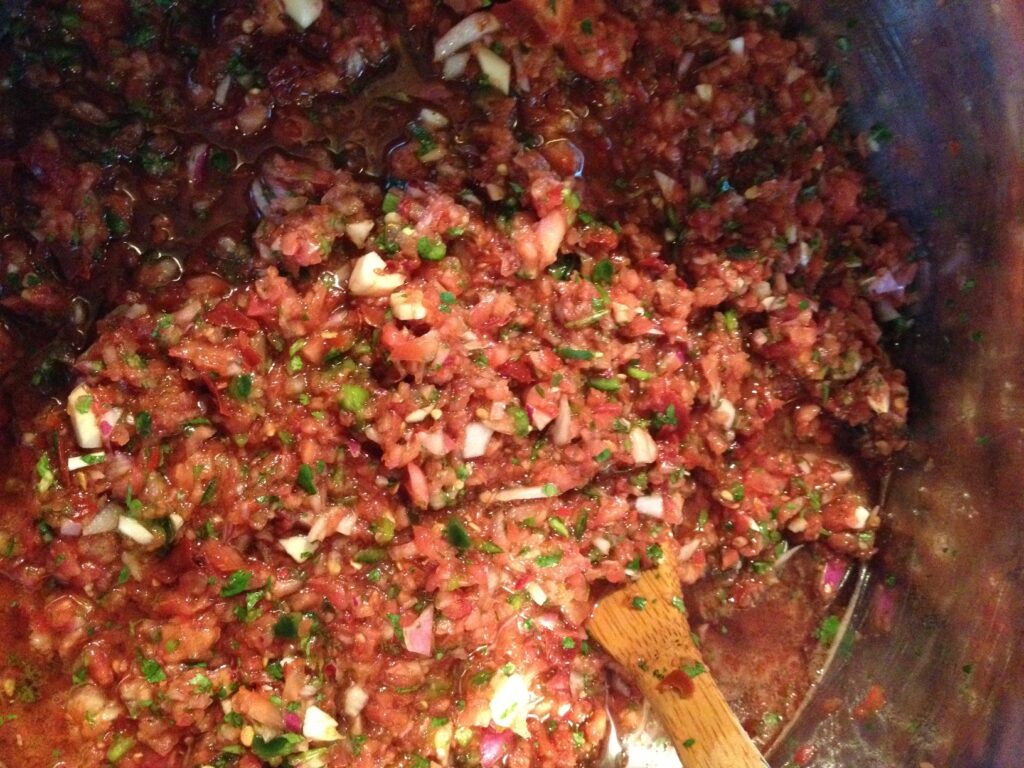
Not everyone in the family loves chunky salsa. If you prefer a smoother consistency, pulse your cooked ingredients in a food processor before
7. Think Beyond the Chip
Sometimes choosing the best salsa for
Need new salsa
People Often Ask
A: It’s best to use natural thickening agents to create a thicker salsa, rather than agents like ClearJel, when making home canned salsa. Here are some tips to naturally thicken your salsa; drain your tomatoes in a colander before cooking, or simmer the salsa longer to reduce the water content. Pureeing some of the salsa and adding it back to the chopped salsa will help create a thicker consistency.
A: Absolutely! Roasting tomatoes, onions, and/or peppers enhances the flavor of the salsa. However, please be sure to maintain the correct measured amounts of vegetables from the recipe.
About the Author:
Diane Devereaux, The