Check this out!
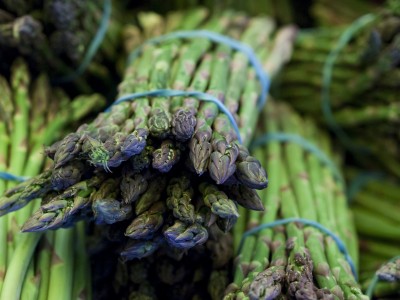
Pickled Asparagus Canning Recipe
Pickled asparagus is a classic spring preservation recipe that transforms fresh asparagus spears into crisp, tangy pantry staples using a vinegar-based brine and water bath canning. This method safely preserves asparagus by maintaining proper acidity levels while infusing the spears with garlic, dill, mustard seed, and optional red pepper flakes. When processed according to safe home canning guidelines, pickled asparagus can be stored on the shelf for 12 to 18 months and enjoyed as a flavorful garnish for Bloody Mary cocktails, charcuterie boards, salads, and grilled meals. Using firm, freshly harvested asparagus ensures the best texture and flavor in the finished jars.
(I sometimes use affiliate links in my content. This will not cost you anything but it helps me offset my costs to keep creating new canning recipes. Thank you for your support.)
By Diane Devereaux | The Canning Diva®
Last updated: March 1, 2025
Key Takeaways
- Pickled asparagus is preserved using a vinegar brine and water bath canning method, which creates a shelf-stable product when proper acidity levels are maintained.
- Fresh, firm asparagus produces the best results, helping the spears remain crisp after processing.
- The classic flavor profile combines garlic, dill seed, mustard seed, and optional red pepper flakes, creating a savory, tangy pickle.
- Proper headspace and processing time are essential for safe home canning and reliable jar seals.
- Allow pickled asparagus to rest for at least two weeks before opening so the brine and spices fully infuse the spears.
- These pickled spears are versatile pantry items, perfect for Bloody Mary garnishes, relish trays, charcuterie boards, salads, and grilled dishes.
Crisp, Tangy Spears Perfect for Bloody Mary’s, Relish Trays, and Summer Meals
Pickled asparagus is one of the most flavorful ways to preserve the spring harvest. With its naturally firm texture and slightly earthy flavor, asparagus holds up beautifully in a bright vinegar brine infused with garlic, dill, and mustard seed. Once canned, the spears become crisp, tangy, and deeply aromatic—making them perfect for relish trays, salads, sandwiches, or as a classic garnish for Bloody Mary cocktails.
Beyond its delicious flavor, asparagus is also highly nutritious. This spring vegetable is naturally low in calories yet rich in vitamins A, C, and K, along with folate and antioxidants that support immune health, digestion, and cardiovascular wellness. Asparagus is also high in fiber, which helps maintain a healthy digestive system and balanced gut microbiome.
While cooking asparagus can slightly reduce some water-soluble nutrients like vitamin C, the vegetable still retains most of its beneficial compounds. In fact, light cooking can break down the plant’s tough cell walls, making certain nutrients easier for the body to absorb.
When preserved through pickling and water bath canning, asparagus maintains its firm texture and bright flavor while becoming shelf stable for year-round enjoyment.
Quick Pickled Asparagus Highlights
- Canning Method: Water Bath Canning
- Processing Time: 10 minutes
- Yield: About 6 pint jars or 3 quart jars
- Flavor Profile: Tangy, garlicky, lightly spicy (optional heat)
- Best Uses: Bloody Mary garnish, relish trays, salads, burgers, and charcuterie boards
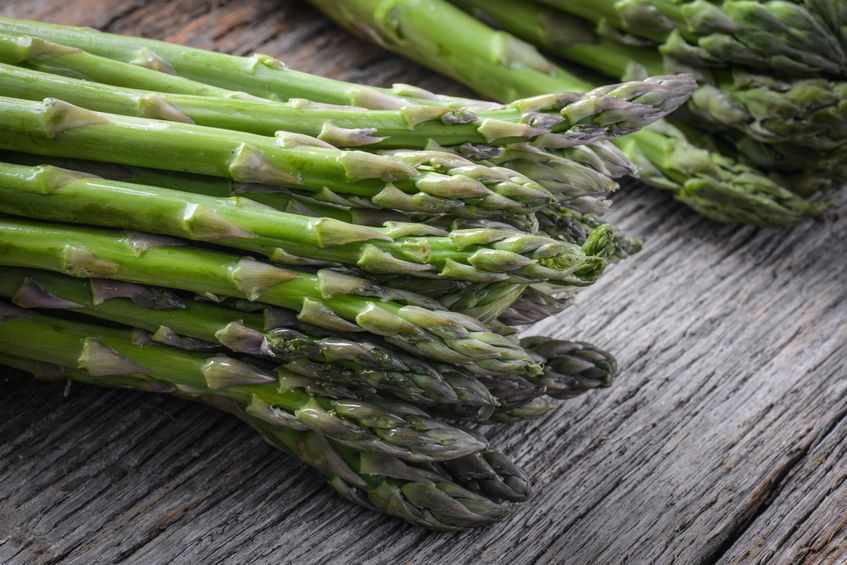
What About Cooking Asparagus?
Cooking asparagus can alter its nutrient profile slightly, but it doesn’t necessarily diminish its overall health benefits. While some water-soluble vitamins like vitamin C may be reduced during cooking, other nutrients such as vitamin A, vitamin K, and folate remain relatively stable. Additionally, cooking can make certain nutrients more bioavailable, meaning they’re easier for the body to absorb and utilize.
For example, cooking asparagus breaks down its tough cell walls, making it easier to digest and allowing the body to access nutrients more efficiently. Steaming or lightly boiling asparagus preserves more of its nutrients compared to methods like frying or overcooking, which can lead to nutrient loss.
Furthermore, cooking asparagus can enhance its flavor and texture, making it more appealing and enjoyable to eat. Whether lightly steamed, roasted, or grilled, cooking methods can complement the natural taste of asparagus while retaining many of its health benefits.
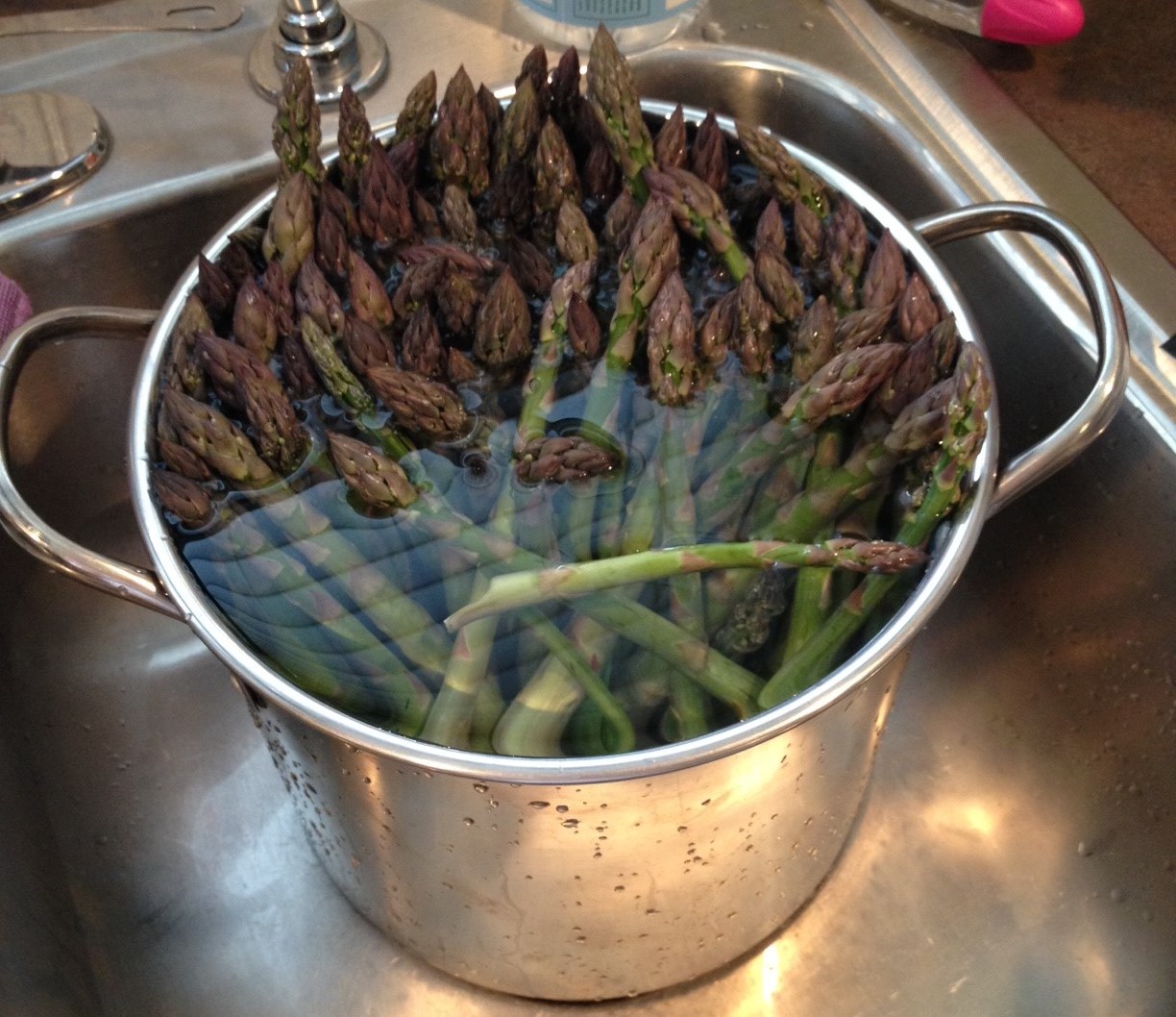
In conclusion, while cooking may alter the nutrient content of asparagus to some extent, it doesn’t necessarily detract significantly from its overall health benefits. Enjoying asparagus as part of a varied and balanced diet, whether raw or cooked, can still provide valuable nutrients and contribute to overall well-being.
Pickled Asparagus Canning Recipe
Makes about 6 pints or 3 quarts
Pickled asparagus is a simple yet impressive pantry staple that captures the freshness of spring in every jar. Whether served as a cocktail garnish, a tangy snack, or part of a summer meal, these crisp spears are a flavorful reminder that home canning preserves more than food—it preserves the season itself.
Ingredients
- 7 pounds fresh asparagus
- 5 cups white vinegar
- 5 cups water
- ½ cup pickling or canning salt
- 6 garlic cloves
- 3 teaspoons dried dill seeds or 6 fresh dill flower sprig
- 3 teaspoons mustard seeds
- 3 teaspoons crushed red pepper flakes (optional)
Instructions
- As usual, prepare all of your jars ahead of time and have your lids and rings setting in boiled water.
- In a large stainless steel stock pot, combine vinegar, water and salt to create the picking brine. Bring to a boil, stirring to dissolve the salt. Boil for 5 minutes, then remove from heat.
- Place the following in each pint jar; one garlic clove, ½ teaspoon dill seeds, or 1 fresh dill flower sprig, ½ teaspoon mustard seeds, and ½ teaspoon of hot pepper flakes if using. If using quart jars, add two garlic cloves and double each seasoning.
- Next, raw pack the asparagus spears, flower tip down, into each jar leaving a 3*4-inch headspace. Be sure to really pack them in there tight!
- Ladle hot brine into jars filling to a 1/2-inch headspace. Remove any trapped air pockets and add additional brine to maintain the 1/2-inch headspace.
- Using a warm wash cloth dipped in vinegar, wipe each jar rim. Place lids and rings on each jar and hand tighten.
- Place jars in water bather and cover with warm/hot water. Process the jars for 10 minutes. Remember, processing time doesn’t begin until the water is at a full rolling boil.
Recipe Tip: If you run out of brine, cut the ingredient list in half and create more bring to finish filling jars accordingly. Never fill your remaining jars with water – it will lessen the acidic level and cause food to spoil.
Ways to Serve Pickled Asparagus
Pickled asparagus is incredibly versatile. Try it:
- As a garnish in Bloody Mary cocktails
- On charcuterie boards
- In potato or pasta salad
- Alongside grilled burgers or sausages
- Chopped into deviled egg filling
- On a relish tray with cheeses and olives
People Often Ask
Q: Why are my pickled asparagus soft?
A: Soft asparagus usually results from over-processing or using older asparagus that has already lost firmness. You can prevent this by adding two grape leaves to each jar.
Q: Can I use apple cider vinegar instead of white vinegar?
A: Yes, as long as the vinegar is 5% acidity, it can safely replace white vinegar. Apple cider vinegar will slightly soften the pungent flavor and deepen the brine’s color.
Q: Do I have to trim the asparagus?
A: Yes. Trim the woody ends so the spears fit comfortably in the jar while leaving the required ½-inch headspace.
About the Author:
Diane Devereaux, The Canning Diva®, is an internationally recognized food preservation expert, author, and educator with over 30 years of home canning experience. She’s the author of multiple top-selling canning books and teaches workshops across the U.S. Learn more at TheCanningDiva.com.