Check this out!
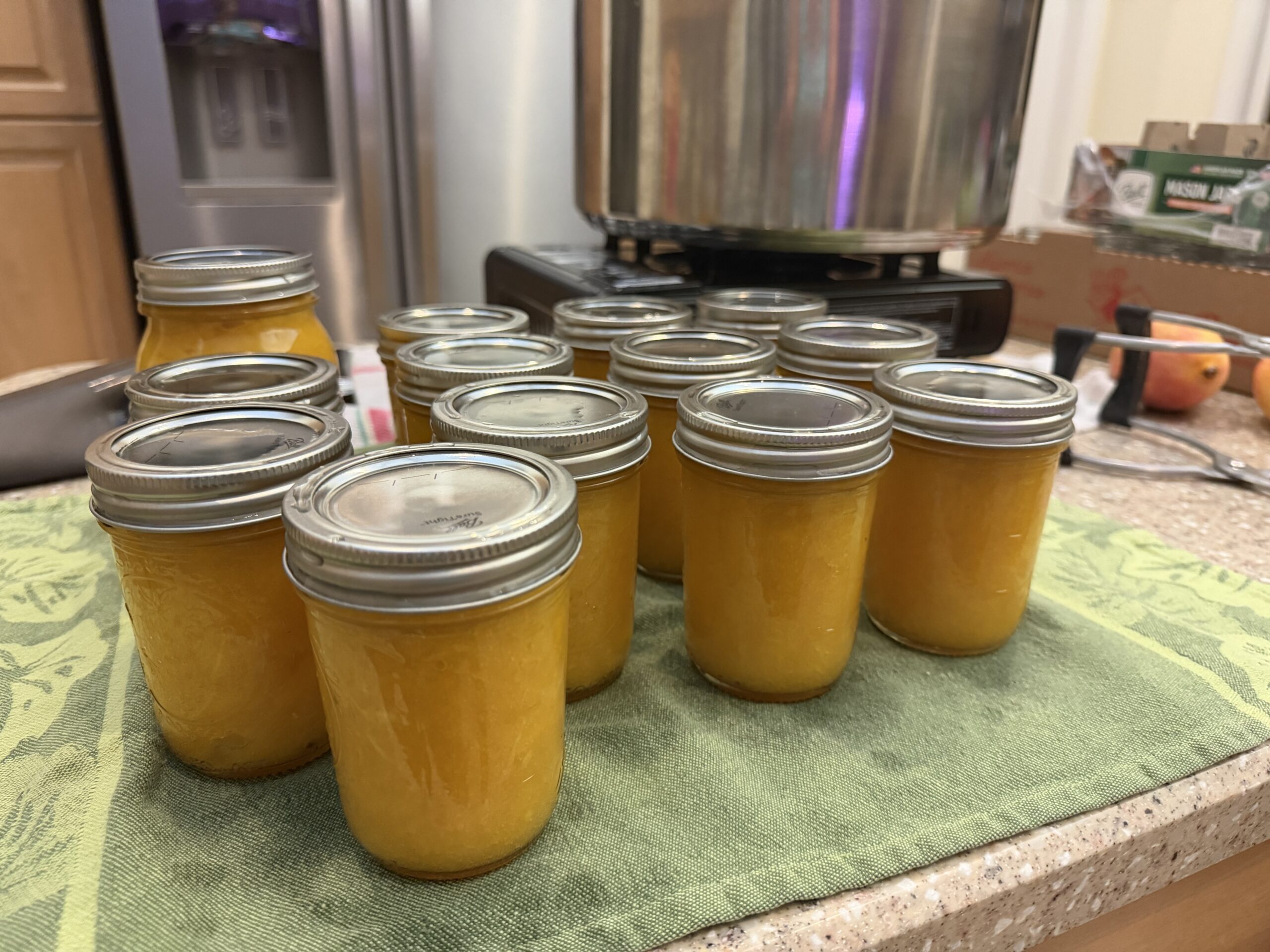
Mango Jam Canning Recipe
Fresh mangoes transform into a smooth, vibrant jam with nothing more than ripe fruit, sugar, and fresh lime juice. This homemade mango jam preserves the tropical sweetness of mangoes while balancing it with bright citrus flavor, creating a spread that's perfect for toast, biscuits, yogurt, desserts, and more. Water bath canned for long-term pantry storage, this recipe yields a delicious homemade preserve you can enjoy year-round.
(I sometimes use affiliate links in my content. This will not cost you anything but it helps me offset my costs to keep creating new canning recipes. Thank you for your support.)
By Diane Devereaux | The Canning Diva®
Last updated: July 28, 2026
All About Mangoes
Known as the "King of Fruits" throughout much of the world, mangoes have been cultivated for more than 4,000 years and are prized for their sweet, aromatic flavor and vibrant golden-orange flesh. Native to South and Southeast Asia, mango trees now flourish in tropical and subtropical regions around the globe, including India, Mexico, Central and South America, the Caribbean, and southern Florida. A healthy mature tree can produce hundreds of pounds of fruit each season, making preservation an excellent way to enjoy the harvest long after the fresh fruit is gone.
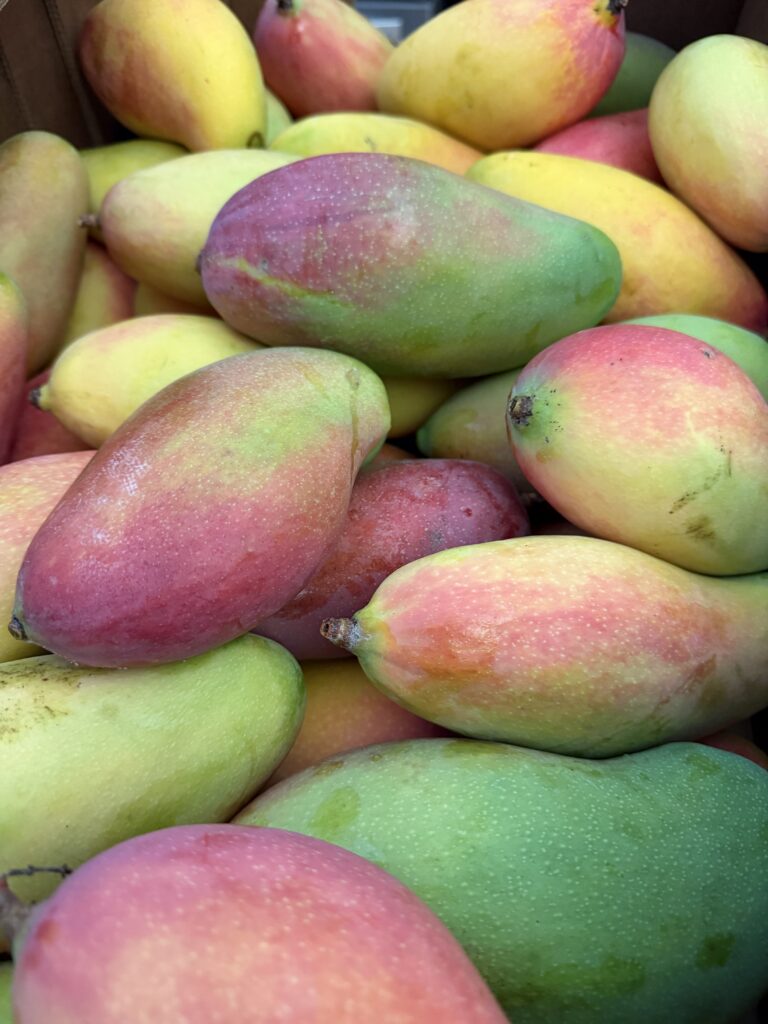
Unlike many fruits, mangoes continue to ripen after they are picked. As they mature, their starches naturally convert into sugars, creating the rich, tropical sweetness that makes them ideal for jams, chutneys, desserts, and fresh eating. While grocery stores often carry only a handful of varieties, there are well over 500 recognized cultivars worldwide, each offering its own unique balance of sweetness, acidity, texture, and color.
Beyond their incredible flavor, mangoes are packed with nutrition. They are an excellent source of vitamins A and C, provide dietary fiber, and contain beneficial antioxidants, including beta-carotene and mangiferin. These naturally occurring compounds help give mangoes their brilliant color while contributing to overall health and wellness.
For canning, choose mangoes that are fully ripe but still firm enough to hold their shape. Overripe fruit can become stringy or watery, while underripe mangoes lack the sweetness and full-bodied flavor that make homemade mango jam so irresistible.
Choosing the Best Mangoes for Jam
The sweetest jam begins with properly ripened fruit. Look for mangoes that:
- Yield slightly to gentle pressure
- Have a fragrant aroma near the stem
- Feel heavy for their size
- Show little to no wrinkling
Color alone is not a reliable indicator of ripeness, as different mango varieties remain green, yellow, orange, or even reddish while others will become purple when fully ripe. Mango ripeness is based on more than visual appeal.
Mango Jam Flavor Variations
One of the best parts of making homemade jam is putting your own spin on it. This mango jam is wonderfully versatile, making it the perfect canvas for creating unique flavor combinations that complement its naturally sweet, tropical taste. As long as you maintain the recipe's measurements of mangoes, sugar, and bottled lime juice, you can safely personalize the batch before filling your jars.
For a warm, cozy flavor, stir in cinnamon, nutmeg, cardamom, or allspice. Add freshly grated ginger for a bright, zesty finish, or mix in shredded coconut for an island-inspired twist. Pure vanilla, almond, coconut, or even rum extract can add wonderful depth, while a pinch of chili powder or cayenne creates a sweet-heat jam that's fantastic alongside grilled meats or on a charcuterie board. Have fun experimenting and create a signature mango jam that's all your own.
Here are a few of my favorite flavor variations to inspire your next batch. Each amount is designed for one batch of jam. If you're making multiple batches, simply increase the additions proportionally:
- 2 tablespoons vanilla, almond, rum or coconut extract
- 1-2 tablespoons ground cinnamon
- 1-2 teaspoons cardamom
- 3-4 tablespoons finely diced ginger or 2-3 tablespoons ginger paste
- 1/4 to 1/2 cup shredded coconut
- 1/2-1 tablespoon cayenne pepper
- 2 tablespoons finely grated lime zest
- 2 tablespoons finely grated orange zest
Don't be afraid to experiment. You may just discover a new family favorite that's worthy of gifting, sharing, and making year after year. Sometimes the simplest additions create the most memorable flavors.
Mango Jam Canning Recipe
There is something wonderfully simple about homemade jam. With only three ingredients, ripe mangoes become a silky, golden preserve bursting with tropical flavor. Unlike many berry jams, mango jam has a naturally smooth texture and rich sweetness that pairs beautifully with everything from warm toast to cheesecake. Whether you're preserving an abundant harvest from your own tree or taking advantage of seasonal fruit at the market, this recipe is an easy way to enjoy mangoes long after the season ends. Once tucked safely into your pantry, each jar offers a little taste of sunshine any time of year.
Yield: 14 half-pint jars or 7 pint jars
Ingredients
14 cups, peeled, pitted and chopped ripe Mangoes (about 12-16 mangoes depending on their size and variety)
3 cups granulated sugar
1 cup bottled lime juice
Instructions
- Add the chopped mango to a thick-bottomed stockpot. In medium heat, begin heating through and mashing until the desired jam texture is achieved. Bring to a gentle boil.
- Add the sugar and lime juice and mix well to evenly distribute. Return to a gentle boil.
- Cook the jam down for 20 minutes, stirring often to avoid scorching. The jam will naturally thicken without the addition of pectin.
- Using a funnel, ladle the hot jam into hot jars, filling to a 1/4-inch of headspace.
- Wipe the jar rims with a washcloth dipped in vinegar. Apply the lids and rings and hand tighten.
- Process jars in a boil water bath; 10 minutes for half-pints and 15 minutes for pints. Remember, do not set your timer until the water is at a full rolling boil.
Mango Jam Canning Recipe
There is something wonderfully simple about homemade jam. With only three ingredients, ripe mangoes become a silky, golden preserve bursting with tropical flavor. Unlike many berry jams, mango jam has a naturally smooth texture and rich sweetness that pairs beautifully with everything from warm toast to cheesecake. Whether you're preserving an abundant harvest from your own tree or taking advantage of seasonal fruit at the market, this recipe is an easy way to enjoy mangoes long after the season ends. Once tucked safely into your pantry, each jar offers a little taste of sunshine any time of year.
Servings
14 half-pint or 7 pints
servingsPrep time
30
minutesIngredients
14 cups , peeled, pitted and chopped ripe Mangoes (about 12-16 mangoes depending on their size and variety)
3 cups granulated sugar
1 cup bottled lime juice
Instructions
- Add the chopped mango to a thick-bottomed stockpot. In medium heat, begin heating through and mashing until the desired jam texture is achieved. Bring to a gentle boil.
- Add the sugar and lime juice and mix well to evenly distribute. Return to a gentle boil.
- Cook the jam down for 20 minutes, stirring often to avoid scorching. The jam will naturally thicken without the addition of pectin.
- Using a funnel, ladle the hot jam into hot jars, filling to a 1/4-inch of headspace.
- Wipe the jar rims with a washcloth dipped in vinegar. Apply the lids and rings and hand tighten.
- Process jars in a boil water bath; 10 minutes for half-pints and 15 minutes for pints. Remember, do not set your timer until the water is at a full rolling boil.
Notes
- Here are a few of my favorite flavor variations to inspire your next batch. Each amount is designed for one batch of jam. If you're making multiple batches, simply increase the additions proportionally:
2 tablespoons vanilla, almond, rum or coconut extract
1-2 tablespoons ground cinnamon
1-2 teaspoons cardamom
3-4 tablespoons finely diced ginger or 2-3 tablespoons ginger paste
1/4 to 1/2 cup shredded coconut
1/2-1 tablespoon cayenne pepper
2 tablespoons finely grated lime zest
2 tablespoons finely grated orange zest
Did you make this recipe?
Tag @canningdiva on Instagram and hashtag it with #thecanningdiva
Like this recipe?
Follow @canningdiva on Pinterest
People Often Ask
Q: Can I use frozen mangoes instead of fresh?
A: Yes. Frozen mangoes work beautifully for homemade jam as long as they are fully thawed and drained of any excess liquid before measuring. Choose plain mangoes without added sugar or syrup, then measure the prepared fruit just as you would fresh mangoes.
Q: How do I know when a mango is ripe enough for jam?
A: A ripe mango should give slightly when gently squeezed and have a sweet, fruity aroma near the stem. The flesh should be juicy and flavorful without being overly soft or mushy. Because mango varieties differ in color, don't rely on appearance alone to determine ripeness.
Q: What are some of the best ways to use mango jam?
A: Mango jam is delicious far beyond breakfast. Spread it on toast, biscuits, English muffins, or scones, swirl it into yogurt or oatmeal, spoon it over cheesecake or vanilla ice cream, use it as a filling for thumbprint cookies, or pair it with cream cheese and crackers for an easy appetizer.
Q: What can I do with the mango pits after removing the fruit?
A: Don't throw them away! Mango pits often have plenty of flavorful flesh still clinging to them. Place the pits in a freezer-safe bag and freeze them until you've collected enough to make a batch of mango jelly. It's a wonderful way to reduce waste and enjoy even more of your harvest. Once you've saved enough, simply thaw the pits and follow my Mango Jelly Canning Recipe to transform what would have been discarded into another delicious pantry staple.
About the Author:
Diane Devereaux, The Canning Diva®, is an internationally recognized food preservation expert, author, and educator with over 30 years of home canning experience. She’s the author of multiple top-selling canning books and teaches workshops across the U.S. Learn more at TheCanningDiva.com.