Check this out!
Lemon Curd Canning Recipe
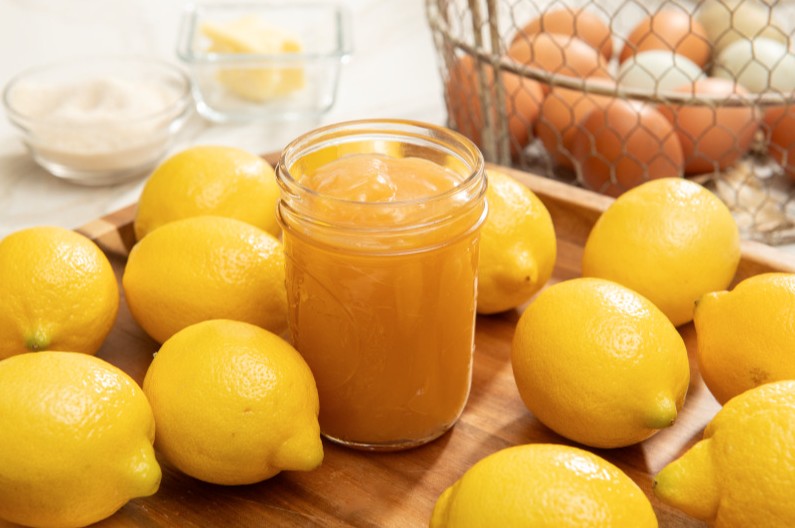
Lemon Curd is a smooth, vibrant preserve made from fresh lemons, eggs, sugar, and butter that water bath cans safely for long-term storage. This lemon curd canning recipe captures bright citrus flavor with a rich, creamy texture, making it a versatile pantry staple for desserts, pastries, and gifting. Perfect for spreading, filling, or baking, home-canned lemon curd allows you to enjoy the taste of fresh lemons year-round. You’ll find this lemon curd canning recipe in From Seed to Table by Diane Devereaux, Chapter 4: Home Canning, where traditional preservation methods are paired with modern food safety practices.
I sometimes use affiliate links in my content. This will not cost you anything but it helps me offset my costs to keep creating new canning recipes. Thank you for your support.
By Diane Devereaux | The Canning Diva®
Last updated: December 15, 2025
Key Takeaways
- A safe, water bath canned lemon curd recipe with bright citrus flavor and a smooth, creamy texture.
- Made with fresh lemons, eggs, sugar, and butter for a classic, time-tested preserve.
- Perfect for spreading on toast, filling cakes and pastries, or gifting from the pantry.
- Preserves the flavor of fresh lemons for year-round enjoyment.
- A reliable small-batch canning recipe ideal for half-pints and pints.
The History and Science Behind Preserving Lemon Curd
Lemon curd emerged in British kitchens during the 19th century as both a culinary staple and a practical method of preserving citrus. At a time when fresh fruit was seasonal and refrigeration nonexistent, cooks relied on acidity, sugar concentration, and controlled heat to stabilize foods. Lemon curd—made from lemon juice and zest, eggs, sugar, and butter—fit squarely within these principles.
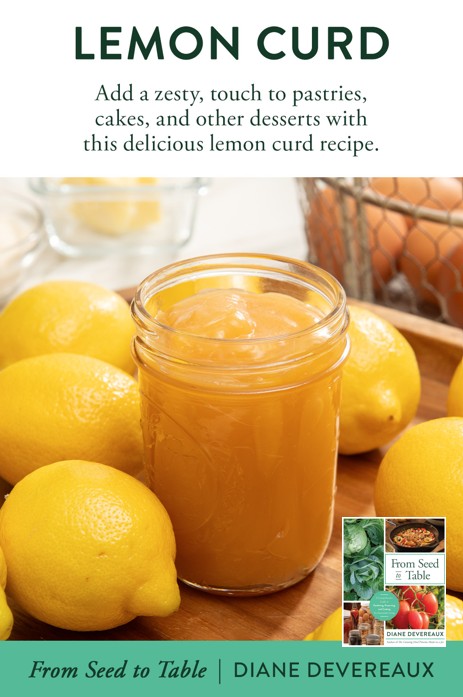
From a preservation standpoint, lemon curd functions very differently from low-acid, egg-based dishes such as custards or cream fillings. Lemons are among the most acidic fruits used in home preservation, with a naturally low pH that creates an environment inhospitable to pathogenic bacteria. This acidity, combined with sugar and thorough cooking, allows the egg proteins to safely coagulate while remaining stable during water bath processing.
Historically, eggs were not avoided in preservation—they were used intentionally in high-acid preparations where their thickening properties could be controlled through temperature and acidity. The use of a double boiler, careful temperature monitoring, and gradual thickening was standard practice long before modern thermometers existed. Today’s tested lemon curd canning methods refine these same techniques using precise measurements and modern food safety research.
When processed correctly, lemon curd behaves as a high-acid preserve, not a dairy custard. The science is straightforward: acidity ensures safety, heat ensures stability, and proper canning seals the product for long-term storage. This is why lemon curd has endured not only as a beloved spread, but as a preserved food with deep historical roots.
Understanding the origins and mechanics of lemon curd preservation highlights an important truth of home canning: many traditional recipes were built on sound principles long before they were formally studied. Lemon curd remains a clear example of how simple ingredients, when combined with acidity and correct processing, create a safe, shelf-stable preserve that continues to stand the test of time.
Ingredient Insights
Lemons are the foundation of this lemon curd recipe, providing natural acidity that ensures both food safety and a bold, refreshing flavor. Rich in vitamin C and aromatic citrus oils found in the zest, lemons bring brightness and balance to the curd’s richness.
Eggs and egg yolks give lemon curd its signature silky texture. As they gently cook, they thicken the mixture naturally without flour or starch, creating a smooth, custard-like consistency. The butter adds richness and body, rounding out the tartness of the lemons while contributing to the curd’s luxurious mouthfeel. Together, these simple ingredients create a classic preserve that has been enjoyed for generations, blending fresh citrus with time-honored preservation techniques.
Canning lemon curd is a practical way to preserve the vibrant flavor of fresh lemons while creating a shelf-stable dessert (topping or filling) ready whenever you need it. Instead of relying on store-bought versions filled with preservatives, home-canned lemon curd delivers pure, homemade flavor in every jar.
Water bath canning lemon curd allows you to extend the life of seasonal citrus and reduce waste, especially when lemons are abundant. Each jar becomes a versatile pantry staple—perfect for last-minute desserts, breakfast spreads, or thoughtful homemade gifts. For home preservers, lemon curd offers the best of both worlds: a shelf-stable canning recipe and a luxurious finished product that elevates everyday meals and special occasions alike.
Lemon Curd Canning Recipe
A creamy and tangy spread made from fresh winter lemons, this lemon curd is perfect for spreading on pastries, filling cakes, or adding a zesty touch to desserts. Its smooth texture and bright flavor make it a versatile addition to any kitchen. You’ll find this lemon curd canning recipe in From Seed to Table by Diane Devereaux, Chapter 4: Home Canning.
YIELD: 4 pints or 8 half-pints
INGREDIENTS
- 10 to 12 lemons, juiced and zested (2 cups juice, ½ cup lemon zest)
- 14 large egg yolks
- 8 whole eggs
- 4 cups granulated sugar
- 1½ cups cubed unsalted butter
DIRECTIONS
- Zest your whole lemons first, then set aside. Next, slice each zested lemon in half and juice. If your lemons don’t yield 2 cups of juice, you can make up the difference with bottled lemon juice. Set each aside.
- Using a large double boiler, start water simmering in the bottom of the double boiler using low heat. In the top saucepan away from the heat, whisk together the egg yolks, whole eggs, sugar, and lemon zest until smooth.
- Slowly whisk in the fresh lemon juice until fully combined. Next, add the butter and place the top saucepan onto the base of the double boiler. Stirring constantly, whisk until the butter has fully melted and blended.
- Measure the temperature of the lemon curd using a candy thermometer or similar device. Do not let the curd exceed 180°F (82°C). Once the butter has been fully integrated into the mixture, remove the top saucepan from the double boiler and whisk for an additional 8 to 10 minutes, or until the lemon curd has thickened and set.
- Using a funnel, ladle the lemon curd into jars, leaving ½ inch of headspace. Remove any trapped air pockets and add additional curd if necessary to maintain the ½-inch headspace.
- Wipe the rims with a washcloth dipped in vinegar. Place the lid and ring on each jar and hand tighten.
- Be sure the canner water has been simmering. Place the jars into the water bath canner, ensuring that the water covers the jars by at least 1 inch. Increase heat to high and bring to a full rolling boil, then process pints and half-pints for 15 minutes.
Lemon Curd Canning Recipe
Servings
4 pints or 8 half-pints
servingsPrep time
30
minutesA creamy and tangy spread made from fresh winter lemons, this lemon curd is perfect for spreading on pastries, filling cakes, or adding a zesty touch to desserts. Its smooth texture and bright flavor make it a versatile addition to any kitchen. You’ll find this lemon curd canning recipe in From Seed to Table by Diane Devereaux, Chapter 4: Home Canning.
Ingredients
10 10 to 12 lemons, juiced and zested (2 cups juice, ½ cup lemon zest)
14 large 14 egg yolks
8 8 whole eggs
4 cups 4 granulated sugar
1 1 ½ cups cubed unsalted butter
Instructions
- Zest your whole lemons first, then set aside. Next, slice each zested lemon in half and juice. If your lemons don’t yield 2 cups of juice, you can make up the difference with bottled lemon juice. Set each aside.
- Using a large double boiler, start water simmering in the bottom of the double boiler using low heat. In the top saucepan away from the heat, whisk together the egg yolks, whole eggs, sugar, and lemon zest until smooth.
- Slowly whisk in the fresh lemon juice until fully combined. Next, add the butter and place the top saucepan onto the base of the double boiler. Stirring constantly, whisk until the butter has fully melted and blended.
- Measure the temperature of the lemon curd using a candy thermometer or similar device. Do not let the curd exceed 180°F (82°C). Once the butter has been fully integrated into the mixture, remove the top saucepan from the double boiler and whisk for an additional 8 to 10 minutes, or until the lemon curd has thickened and set.
- Using a funnel, ladle the lemon curd into jars, leaving ½ inch of headspace. Remove any trapped air pockets and add additional curd if necessary to maintain the ½-inch headspace.
- Wipe the rims with a washcloth dipped in vinegar. Place the lid and ring on each jar and hand tighten.
- Be sure the canner water has been simmering. Place the jars into the water bath canner, ensuring that the water covers the jars by at least 1 inch. Increase heat to high and bring to a full rolling boil, then process pints and half-pints for 15 minutes.
Did you make this recipe?
Tag @canningdiva on Instagram and hashtag it with #thecanningdiva
Like this recipe?
Follow @canningdiva on Pinterest
People Often Ask
Q: Can lemon curd really be safely canned using eggs?
A: Yes. Lemon curd is considered a high-acid preserve due to the naturally low pH of lemon juice. When prepared using a tested recipe, cooked to the proper temperature, and processed in a boiling water bath, lemon curd is shelf-stable and safe for long-term storage. The eggs act as a thickener during cooking and do not compromise safety when combined with sufficient acidity and/or correct processing time and temperature.
Q: Why does lemon curd use a water bath canner instead of pressure canning?
A: Because lemon curd is a high-acid food, it does not require pressure canning. The acidity of the lemons, combined with sugar and heat processing, allows lemon curd to be safely preserved using a boiling water bath. Pressure canning is reserved for low-acid foods where higher temperatures are necessary due to the lack of acidity.
Q: Can I substitute bottled lemon juice for fresh lemon juice?
A: Fresh lemon juice is recommended for the best flavor and natural citrus oils from the zest. However, if your fresh lemons do not yield enough juice, bottled lemon juice may be used to make up the difference, as it provides consistent acidity.
Q: Can I make lime curd using this same canning method?
A: Yes. Lime curd can be made and canned safely using the same method. Limes are also a high-acid citrus fruit, making them suitable for water bath canning. For best results, substitute lime juice and zest in equal amounts for the lemon juice and zest, and follow the same cooking temperatures, headspace, and processing times.
About the Author:
Diane Devereaux, The Canning Diva®, is an internationally recognized food preservation expert, author, and educator with over 30 years of home canning experience. She’s the author of multiple top-selling canning books and teaches workshops across the U.S. Learn more at TheCanningDiva.com.