
Check this out!
Freeze-Dried Chicken Treats for Dogs
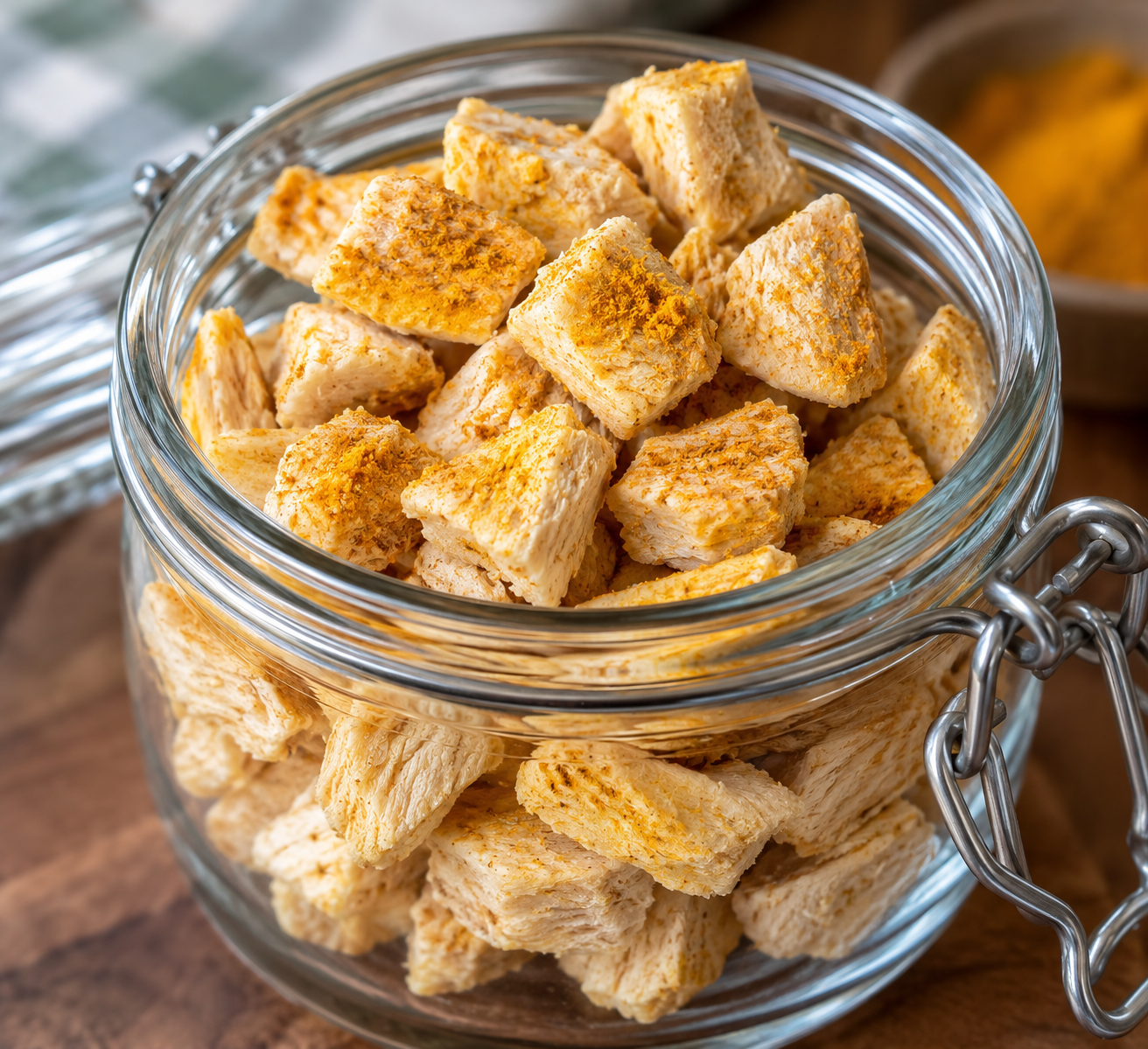
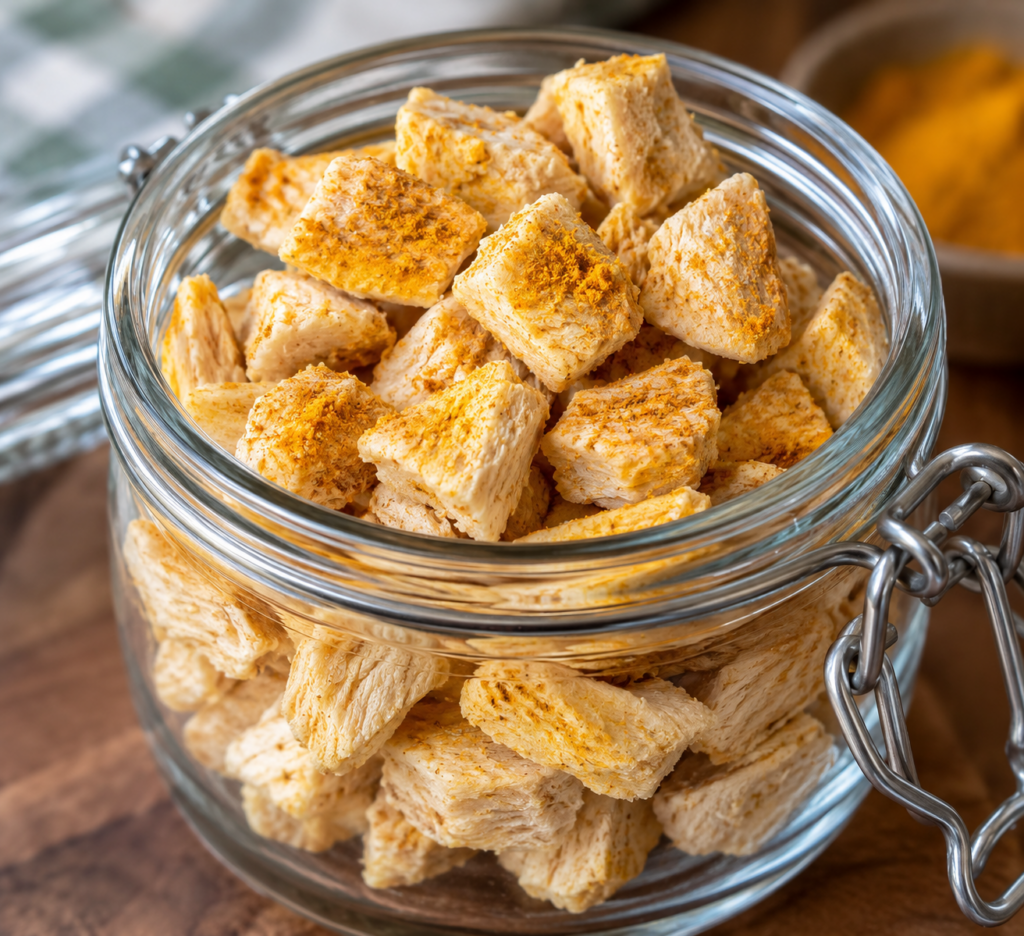
Freeze-dried chicken treats for dogs offer a simple way to preserve a protein-rich snack using just one ingredient. A home freeze dryer removes moisture from frozen chicken through sublimation, creating lightweight, intensely flavored treats without the fillers, artificial flavors or unnecessary ingredients often found in commercial dog treats. When properly freeze-dried and packaged to protect them from moisture and oxygen, homemade chicken bites make convenient treats for training, traveling and everyday rewards.
I sometimes use affiliate links in my content. This will not cost you anything but it helps me offset my costs to keep creating new canning recipes. Thank you for your support.
By Diane Devereaux, The Canning Diva®
Last updated: September 28, 2026
Key Takeaways
- Freeze-dried chicken treats require only one ingredient: chicken.
- Cutting the chicken into uniformly sized pieces encourages more consistent drying.
- Freeze-drying and dehydrating remove moisture differently and produce noticeably different textures.
- Always check the largest pieces for remaining moisture before packaging the finished treats.
- Protect freeze-dried treats from humidity and oxygen during storage.
- You can use the same basic concept with several dog-friendly meats, vegetables and fruits.
- Treats should complement your dog's regular diet rather than replace a nutritionally appropriate meal.
Why Freeze-Dry Dog Treats at Home?
One of the greatest advantages of making dog treats yourself comes down to control. You choose the meat. You prepare it. You operate the freeze dryer. And you package the finished treats yourself.
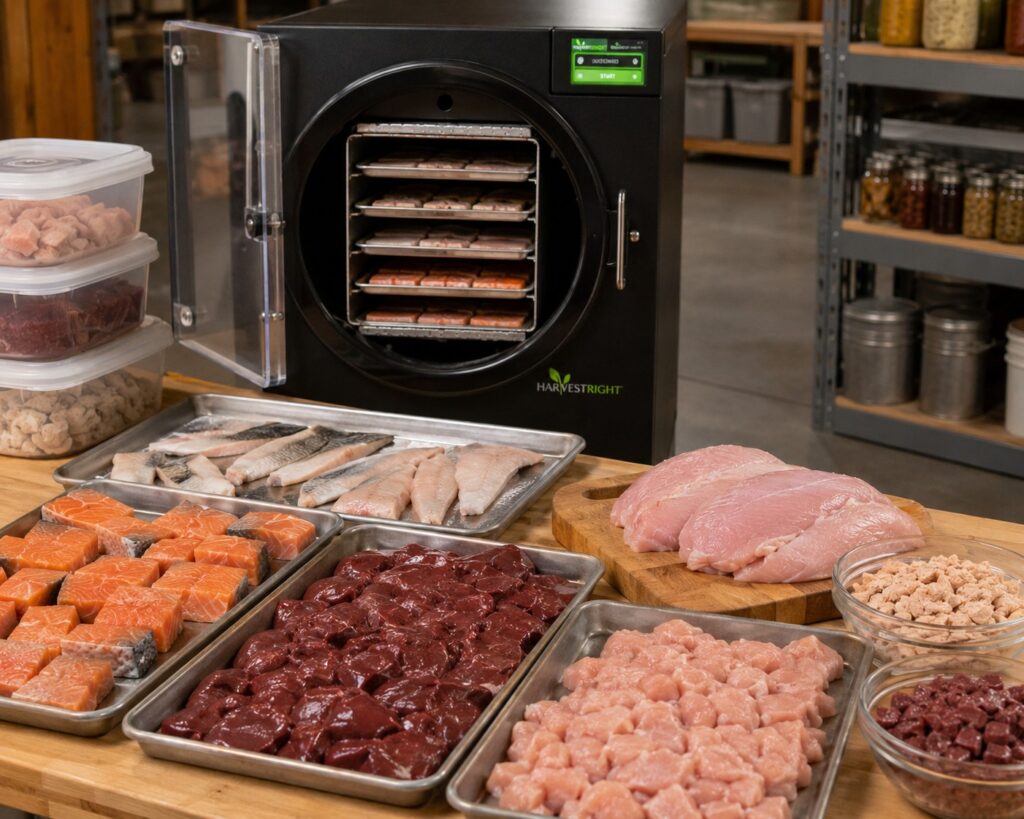
There is no need to add artificial colors, flavor enhancers or fillers simply to make chicken appealing to a dog. Chicken already brings plenty of aroma and flavor to the equation.
Freeze-drying also creates a lightweight treat. Once the freeze dryer removes the water, the chicken weighs considerably less and develops a light, dry texture. This makes the finished bites convenient for training bags, travel kits and everyday treat containers.
The process also gives home food preservers another way to use their equipment. If you already freeze-dry garden produce, complete meals or ingredients for your family's pantry, dedicating an occasional batch to your pets lets you extend the same preservation skills to them.
Freeze-Drying Is Not the Same as Dehydrating
Although both methods remove moisture, freeze-drying and dehydration accomplish the task differently. A dehydrator uses heat and airflow to evaporate moisture from food. The process causes meat to shrink and typically produces the dense or chewy texture we associate with jerky.
A freeze dryer freezes the food and removes frozen moisture under vacuum through sublimation. The process preserves much more of the food's physical structure, which gives freeze-dried meat its characteristic light and porous texture. Your manuscript describes freeze-dried foods as lightweight, shelf-stable and versatile while retaining the structure, flavor and nutrients of the original ingredients.
Neither method needs to replace the other. They simply give you different preservation options and different finished textures.
Love Making Homemade Food For Your Pets?
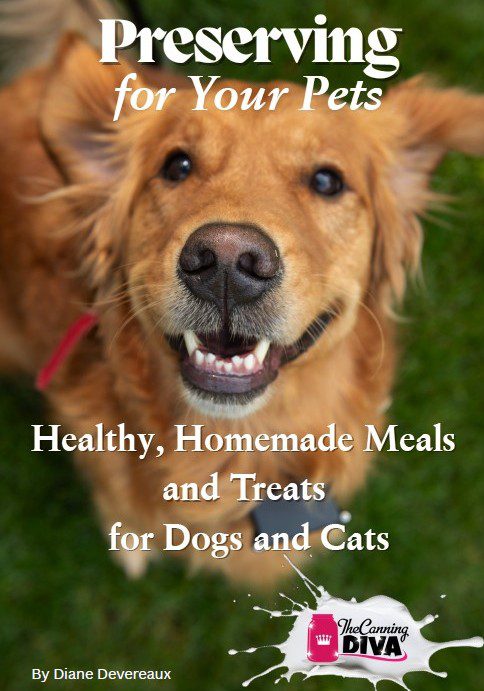
Give your pets wholesome, homemade meals and treats made with ingredients you know and trust. In Preserving for Your Pets, I share practical recipes and preservation techniques designed specifically for dogs and cats, helping you create nutritious options to keep on hand for the pets you love.
From complete meals to healthy treats, discover how canning, dehydrating, freezing, and freeze-drying can become part of caring for your four-legged family members.
Choosing Chicken for Homemade Dog Treats
You can use boneless, skinless chicken breast or thighs for this recipe. Chicken breast gives you a lean treat and makes uniform pieces easy to cut. Chicken thighs naturally contain more fat, so trim away excess visible fat before freeze-drying them.
Regardless of which cut you choose, remove bones and cut the meat into relatively uniform pieces. Large differences in thickness can make it more difficult to determine whether every piece has finished drying. You can also adjust the size of the pieces for your dog. A small dog doesn't need the same size treat as a Labrador or German shepherd. Just remember that thicker pieces may require additional dry time.
Other Foods You Can Freeze-Dry for Dog Treats
Once you become comfortable making chicken bites, you can use your freeze dryer to preserve other dog-friendly whole foods. Here is a short list to get you started:
| Food | Preparation | Treat Idea |
|---|---|---|
| Beef | Cook lean meat and cut into small pieces | High-value training treat |
| Turkey | Cook and cut into bite-size pieces | Protein-rich everyday treat |
| Sweet potato | Cook and slice or cube | Crunchy vegetable treat |
| Carrots | Lightly cook and cut into small pieces | Colorful vegetable snack |
| Green beans | Lightly cook and cut as needed | Small crunchy treat |
| Blueberries | Wash and prepare for your freeze dryer | Bite-size fruit treat |
| Apples | Remove seeds and core, then slice | Light fruit treat |
| Strawberries | Remove tops and slice | Occasional fruit treat |
How to Know When Freeze-Dried Chicken Is Finished
Don't judge the batch solely by the outside of the chicken. When your freeze dryer completes its cycle, select several of the largest or thickest pieces and break them open. Check the centers carefully. They should feel completely dry throughout without soft, cold or moist areas.
If you're uncertain, add more dry time. This is one area where being conservative makes sense. Residual moisture undermines the reason we freeze-dried the food in the first place and can compromise storage.
Ready to Make More Than Treats?
Once you learn to freeze-dry simple ingredients, you can take the process much further.
In my book, Preserving for Your Pets, I share recipes and techniques for preserving homemade foods for dogs and cats using pressure canning, freeze-drying, dehydrating and freezing. You'll find options that go beyond simple treats, including complete meals and practical ways to build a homemade pet pantry.
[Get Your Copy of Preserving for Your Pets]
Freeze-Dried Chicken Bites for Dogs
These one-ingredient Freeze-Dried Chicken Bites make a simple, protein-rich treat for dogs without fillers, artificial flavors or unnecessary additives. Dogs love the natural flavor and aroma of chicken, and freeze-drying creates a light, crisp bite perfect for rewarding good behavior, tucking into a travel bag or simply spoiling your favorite four-legged companion. Make a generous batch and keep these wholesome little bites within easy reach whenever your dog deserves something special.
Ingredients
2 lbs. boneless, skinless chicken breast or chicken thighs
Instructions
- Trim excess visible fat from the chicken and cut the meat into approximately ½-ounce, uniformly sized pieces.
- Arrange the raw chicken pieces in a single layer on the freeze-dryer trays without overlapping them.
- Place the filled trays in the freezer for 12–24 hours, or until the chicken freezes completely solid.
- Transfer the frozen trays to your freeze dryer. Run the cycle according to the manufacturer's instructions, typically 24–36 hours, until the machine removes all moisture.
- When the cycle finishes, break several of the larger pieces in half. They should snap cleanly with no moisture remaining inside.
- Store the freeze-dried chicken treats in vacuum-sealed Mylar bags or airtight jars with oxygen absorbers.
Ingredient Tip: Chicken makes an excellent treat all on its own, but you can add a little extra flavor if desired. Before placing the chicken on the freeze-dryer trays, lightly sprinkle the pieces with turmeric or finely chopped parsley. For more dog-safe herbs and seasoning options, I encourage you to purchase my book, Preserving for Your Pets.
Serving Tip: Offer the chicken bites as occasional treats or training rewards. Break larger pieces into smaller portions when needed for your dog's size.
Freeze-Dried Chicken Treats for Dogs
These one-ingredient Freeze-Dried Chicken Bites make a simple, protein-rich treat for dogs without fillers, artificial flavors or unnecessary additives. Dogs love the natural flavor and aroma of chicken, and freeze-drying creates a light, crisp bite perfect for rewarding good behavior, tucking into a travel bag or simply spoiling your favorite four-legged companion. Make a generous batch and keep these wholesome little bites within easy reach whenever your dog deserves something special.
Servings
32 treats at 1 oz each
servingsPrep time
20
minutesIngredients
2 lbs. 2 boneless, skinless chicken breast or chicken thighs
Instructions
- Trim excess visible fat from the chicken and cut the meat into approximately ½-ounce, uniformly sized pieces.
- Arrange the raw chicken pieces in a single layer on the freeze-dryer trays without overlapping them.
- Place the filled trays in the freezer for 12–24 hours, or until the chicken freezes completely solid.
- Transfer the frozen trays to your freeze dryer. Run the cycle according to the manufacturer's instructions, typically 24–36 hours, until the machine removes all moisture.
- When the cycle finishes, break several of the larger pieces in half. They should snap cleanly with no moisture remaining inside.
- Store the freeze-dried chicken treats in vacuum-sealed Mylar bags or airtight jars with oxygen absorbers.
Notes
- Ingredient Tip: Chicken makes an excellent treat all on its own, but you can add a little extra flavor if desired. Before placing the chicken on the freeze-dryer trays, lightly sprinkle the pieces with turmeric or finely chopped parsley. For more dog-safe herbs and seasoning options, I encourage you to purchase my book, Preserving for Your Pets.
- Serving Tip: Offer the chicken bites as occasional treats or training rewards. Break larger pieces into smaller portions when needed for your dog's size.
Did you make this recipe?
Tag @canningdiva on Instagram and hashtag it with #thecanningdiva
Like this recipe?
Follow @canningdiva on Pinterest
About the Author:
Diane Devereaux, The Canning Diva®, is an internationally recognized food preservation expert, author, and educator with over 30 years of home canning experience. She’s the author of multiple top-selling canning books and teaches workshops across the U.S. Learn more at TheCanningDiva.com.