
How to Grow a Medicinal Herb Garden
If you want a garden that does more than look pretty, start with herbs you will actually use. Learning how to grow a medicinal herb garden gives your household a practical source of flavor, wellness support, and preservable ingredients that can be dried, infused, or stored for later use.
For a preparedness-minded home, medicinal herbs are not a hobby add-on. They are part of a working kitchen and a more self-reliant lifestyle. The key is to grow herbs you know how to identify, harvest, and use safely rather than filling beds with trendy plants that never make it into your pantry.
How to grow a medicinal herb garden with purpose
The best medicinal herb gardens begin with a simple question: what do you want these plants to do for your household? Some families want calming herbs for tea, others want culinary herbs that also support digestion, and some want a few dependable plants for salves, steams, and infused oils.
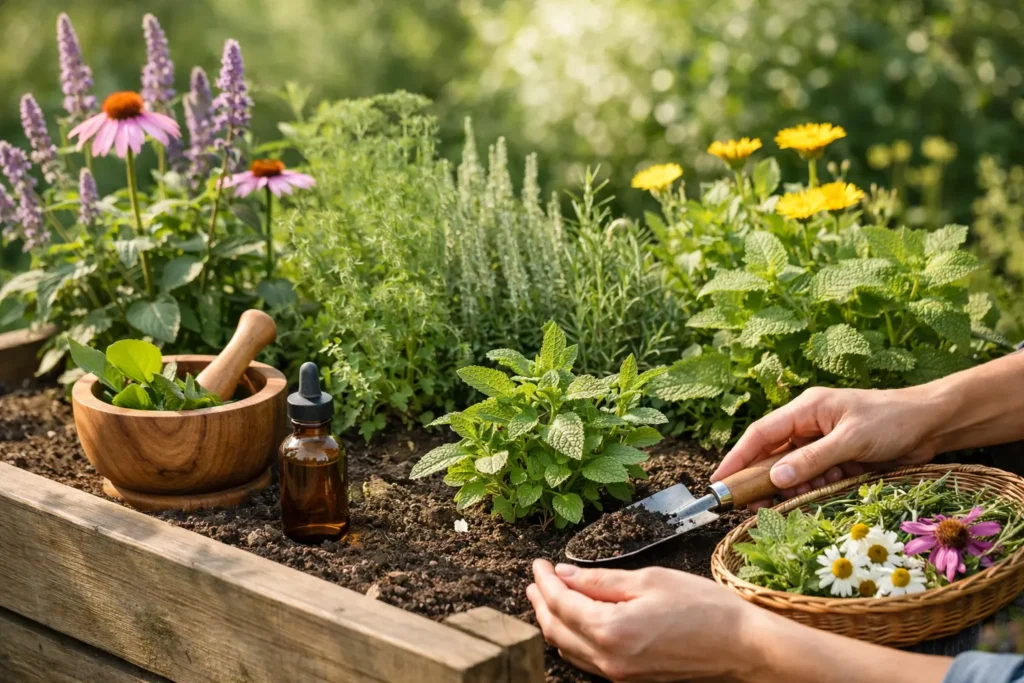
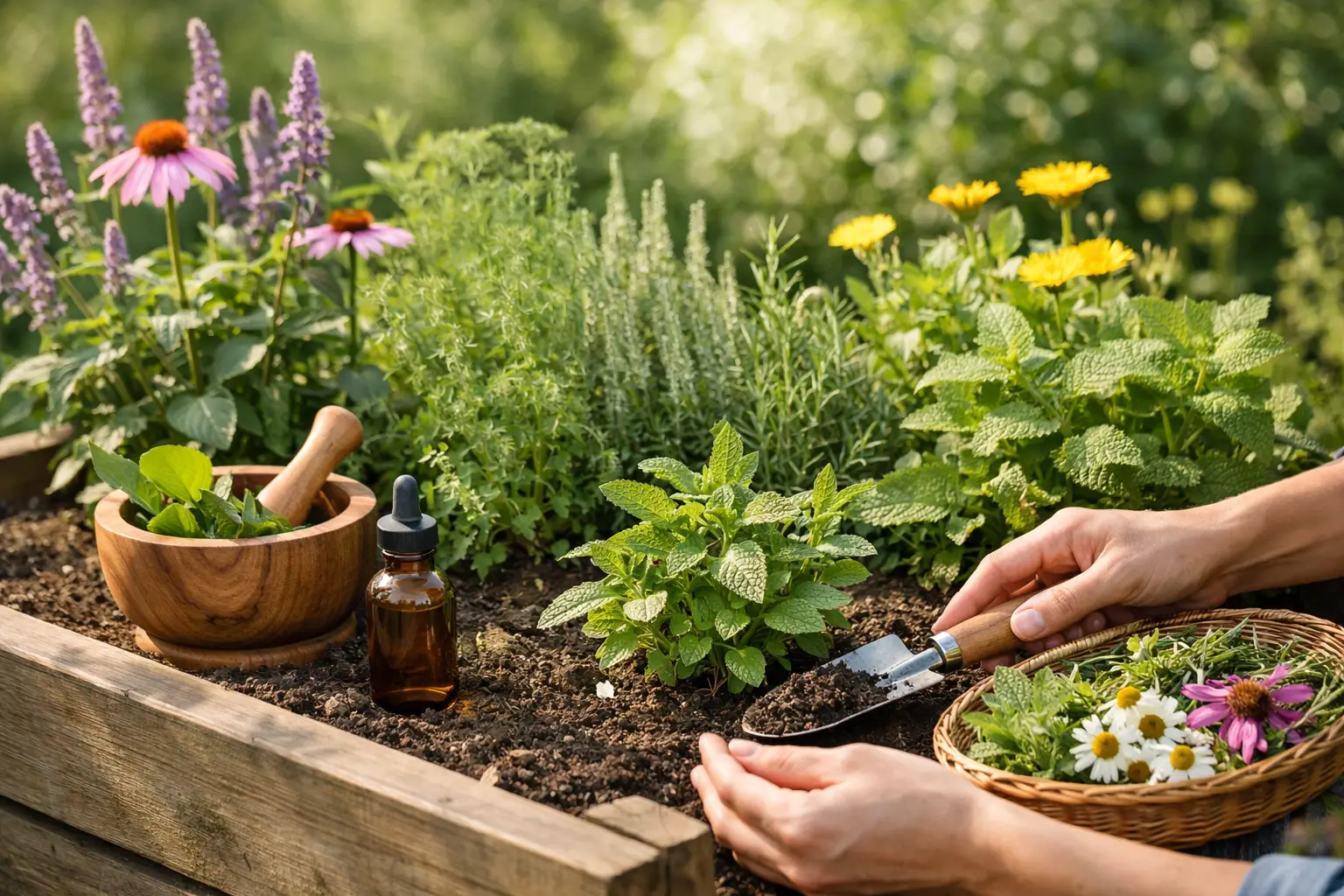
Start small and useful. A compact garden with calendula, peppermint, lemon balm, chamomile, thyme, sage, echinacea, and lavender will serve most beginners better than a large, scattered plot with twenty unfamiliar varieties. When your goal is practical use, every plant should earn its space.
There is also a safety piece here. Not every herb is right for every person, and not every traditional use is appropriate for children, pregnancy, medication interactions, or chronic health conditions. Grow what you can confidently identify and use responsibly. That mindset keeps your garden both productive and trustworthy.
Choose the right location first
Most medicinal herbs want full sun, which means at least six hours of direct light each day. A south-facing bed, a sunny side yard, or even large containers on a patio can work well. Good air circulation matters too, especially if you plan to dry herbs and want clean, healthy foliage without persistent mildew.
Soil is where many gardens succeed or fail. Herbs generally prefer well-drained soil over rich, soggy ground. If your yard stays wet after rain, raised beds or containers are often the better choice. Heavy fertilizer can give you fast leafy growth, but it may reduce the concentration of aromatic oils in some herbs. In other words, bigger is not always better.
Keep the garden close to the house if you can. The farther away it is, the less likely you are to harvest regularly. A medicinal herb garden works best when it becomes part of your daily routine, right alongside cooking, preserving, and seasonal household tasks.
Raised beds, rows, or containers?
It depends on your space and your long-term plan. Raised beds give you better control over soil and drainage, which is helpful for beginners. In-ground planting is cost-effective if your native soil is workable. Containers are excellent for herbs that spread aggressively, like peppermint and lemon balm, and they make harvesting easy.
If your aim is to dry and store herbs in quantity, give perennial plants room to establish. If you mostly want fresh herbs for teas and kitchen remedies, containers near the door may be all you need.
The easiest herbs to start with
When people ask how to grow a medicinal herb garden, the real question is often which plants are worth the effort. Start with dependable herbs that match your climate and your household routines.
Calendula is one of the most practical choices. It is easy to grow from seed, the flowers are useful for infused oils and salves, and it keeps producing when picked regularly. Chamomile is another strong choice if you enjoy herbal teas, though it prefers not to be crowded and can be a little delicate in very hot weather.
Peppermint and lemon balm are generous growers, but both can take over a bed if left unchecked. That makes them ideal for containers. Thyme and sage are excellent for both culinary and traditional herbal use, and they handle leaner soils well. Lavender is valuable, beautiful, and useful, but it needs sharp drainage and does not tolerate wet feet.
Echinacea is often included in medicinal herb gardens because it is hardy, attractive to pollinators, and useful for prepared herbal products. It does take more patience than quick annuals, so think of it as a long-term investment plant.
Planting and caring for medicinal herbs
Read your frost dates and plant accordingly. Tender herbs should not go out before the danger of frost has passed, while many hardy herbs can be planted earlier. Seeds like calendula and chamomile are often simple to direct sow. Plants like lavender, sage, and thyme are commonly easier to establish from nursery starts.
Water deeply but not constantly. Newly planted herbs need consistent moisture while roots develop, but established plants often prefer to dry slightly between waterings. Overwatering causes more trouble than underwatering in many herb gardens, especially with Mediterranean herbs such as rosemary, thyme, oregano, and lavender.
Mulch carefully. A light mulch helps hold moisture and suppress weeds, but a thick, damp layer pressed against stems can invite rot. Keep air moving around the base of the plants.
Pinching and harvesting encourage many herbs to branch and produce more usable growth. If you let basil, mint, lemon balm, or chamomile go too long without picking, they can become leggy or rush to flower. With flowering herbs like calendula, frequent harvesting is part of the production system.
Expect trade-offs by region
A medicinal herb garden in Arizona will not be managed the same way as one in Michigan. Hot climates may need afternoon shade for delicate herbs. Humid regions often require wider spacing and closer attention to fungal pressure. Cold climates reward hardy perennials but shorten the season for tender plants.
Work with your growing conditions instead of fighting them. The goal is not to grow every herb. The goal is to grow the right herbs well.
Harvesting for potency and quality
Harvest timing matters. Leaves are usually best picked before a plant flowers heavily, when energy is still concentrated in foliage. Flowers should be picked when freshly opened. Roots, for herbs where roots are traditionally used, are typically harvested when the plant is dormant, though many home gardeners prefer to focus on leaves and flowers for simplicity.
Choose a dry day after the morning dew has evaporated. Wet herbs are harder to preserve well and more likely to mold during drying. Use clean snips, keep varieties separated, and move your harvest out of direct sun once cut.
If you plan to preserve your herbs, harvest with that purpose in mind. A handful for tonight’s tea is one thing. A tray of calendula blossoms for drying or bundles of lemon balm for winter use require a little more discipline and timing.
Preserving herbs for year-round use
Growing is only half the skill. If your household values self-reliance, preservation is what turns a summer herb bed into a working home apothecary and pantry support system.
Drying is the most approachable method for many medicinal herbs. Leaves and flowers should be dried in a warm, dark, well-ventilated space until crisp, then stored in clearly labeled jars away from heat and light. Labeling matters more than people think. Include the herb name and harvest date so your inventory stays usable and safe.
Some herbs are better suited to infused oils, vinegars, honey preparations, or tincture-making, depending on your experience and intended use. Not every preservation method fits every herb, and cleanliness matters at every step. Fresh plant material and oil infusions, for example, require extra care because moisture can create spoilage issues if handled poorly.
For households already preserving produce, herbs fit naturally into the seasonal workflow. You may be drying mint while canning peaches, gathering thyme while making broth, or storing calendula for winter salve projects. This is where gardening, food preservation, and preparedness stop being separate hobbies and start working together.
Build a garden you can sustain
A successful medicinal herb garden does not need to be large. It needs to be maintainable. Ten healthy, well-used plants are more valuable than a sprawling bed full of neglected herbs you never harvest in time.
Keep notes through the season. Record what grew well, what struggled, what your family used most, and what sat untouched on the shelf. That record will shape a smarter garden next year. It will also help you match your growing efforts to your preservation habits, which is where real household resilience is built.
If you are just getting started, choose four or five herbs, learn them well, and preserve them properly. Confidence comes from repetition, not from collecting the most varieties. A medicinal herb garden should make your home more capable, more prepared, and better fed in every season.
Plant with purpose, harvest with care, and preserve what you grow. That is how a simple herb bed becomes a dependable household resource.
About the Author:
Diane Devereaux, The Canning Diva®, is an internationally recognized food preservation expert, author, and educator with over 30 years of home canning experience. She’s the author of multiple top-selling canning books and teaches workshops across the U.S. Learn more at TheCanningDiva.com.