
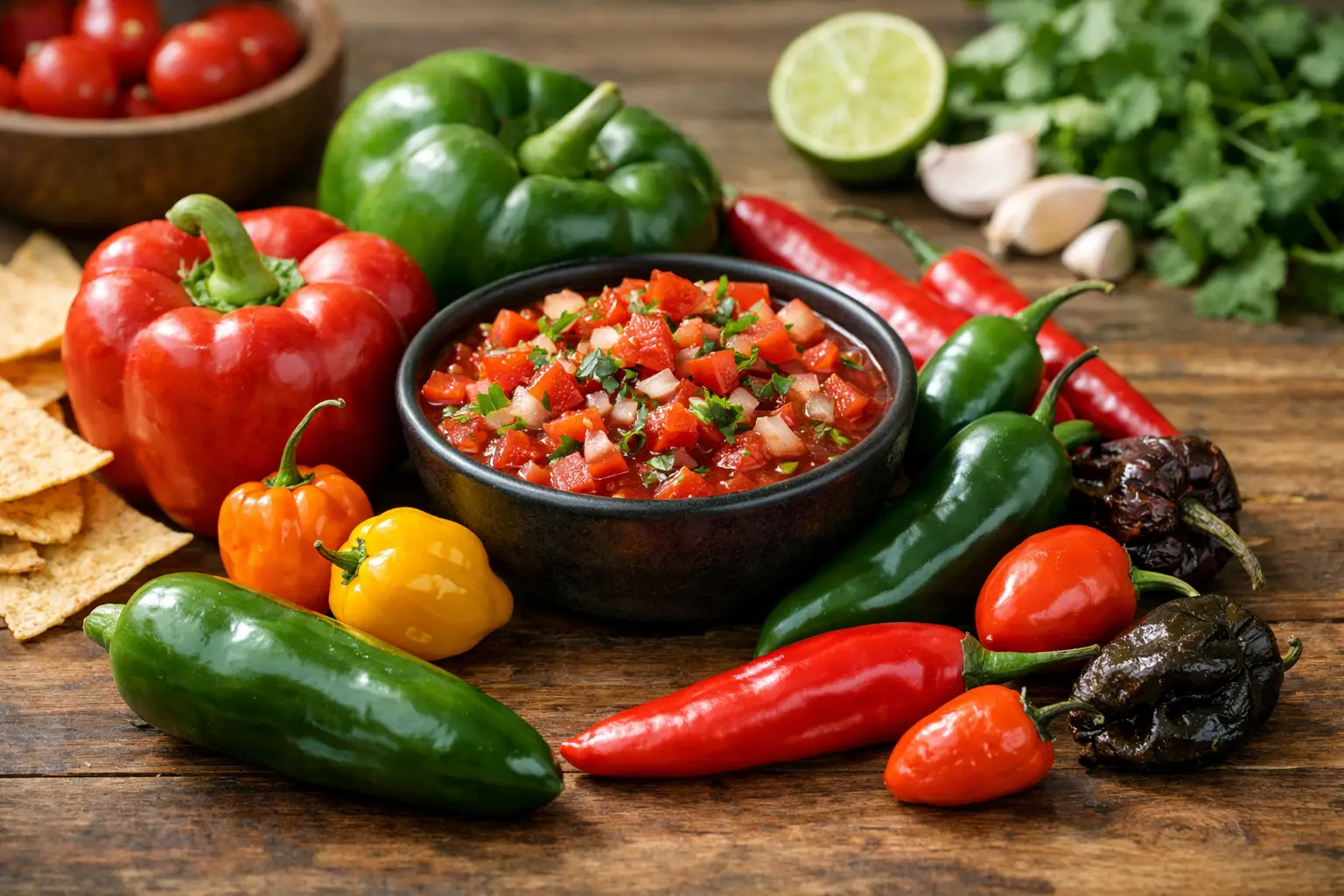
8 Best Peppers for Home Canned Salsa
A good salsa is not built on heat alone. It is built on balance – flavor, moisture, flesh thickness, seed content, and how each pepper behaves when chopped fresh or cooked down for
For home cooks and preservers, consistency matters. One pepper can bring grassy freshness, another smoky depth, and another clean heat that lingers without taking over. Once you understand what each variety contributes, you can build salsas that taste intentional instead of random.
(I sometimes use affiliate links in my content. This will not cost you anything but it helps me offset my costs to keep creating new
By Diane Devereaux | The
Last updated: June 24, 2026
What makes the best peppers for homemade salsa?
The best pepper for one salsa may be the wrong choice for another. Fresh pico-style salsa needs crisp texture and bright flavor. A cooked restaurant-style salsa can handle softer peppers with deeper heat. A canned salsa needs even more thought because excess liquid, too much sweetness, or unpredictable heat can change the finished jar.
When selecting peppers, look at four practical factors. First is heat level. Most families want a salsa they can enjoy by the spoonful, not one that overpowers a meal. Second is flavor. Some peppers taste fruity, some earthy, some sharp and green. Third is flesh thickness. Thick-walled peppers hold up well when diced and can add body, while thinner peppers break down faster in cooked salsa. Fourth is moisture. Very watery peppers can thin your salsa more than expected.
If you grow your own food, this is where planning pays off. Growing a mix of mild, medium, and hot peppers gives you far more control at harvest time than relying on whatever happens to be available at the store.
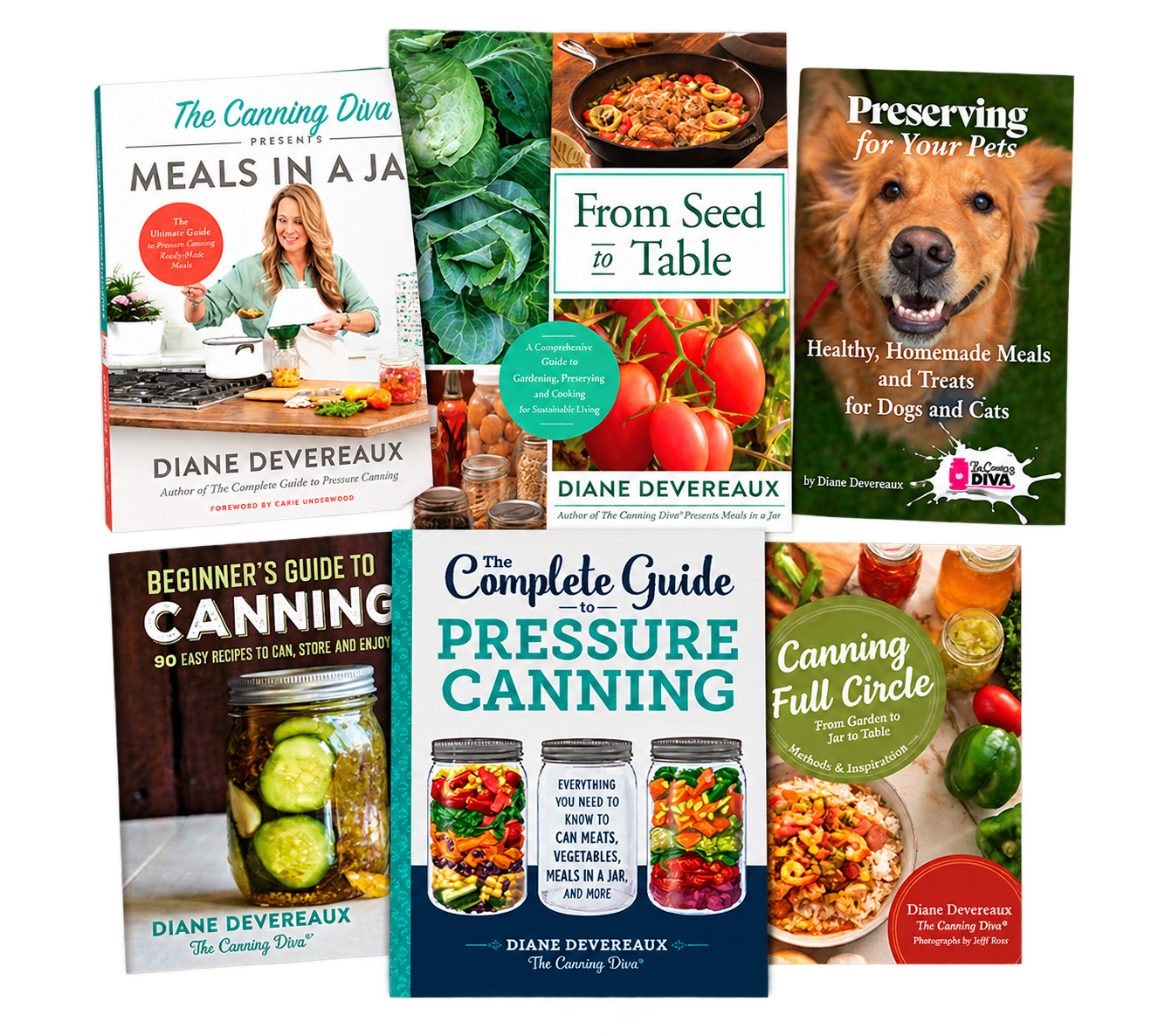
Explore The Canning Diva’s Book Collection
From mastering the fundamentals of home canning to creating delicious meals in a jar, preserving your garden harvest, and preparing homemade food for your pets, discover my collection of books designed to help you preserve more and make the most of every season.
Whether you want to master water bath canning, pressure canning, dehydrating, or other food preservation skills, The Canning Diva® has you covered. Find the book that fits your goals and start preserving with confidence.
8 best peppers for home Canned salsa
Jalapeno
Jalapenos are the workhorse pepper for salsa, and for good reason. They offer moderate heat, a fresh green flavor, and enough flesh to give body without turning mushy too quickly. For many households, jalapenos strike the right middle ground between mild and hot.
They work well in fresh salsa, cooked salsa, and canned salsa. If you want more heat, leave in some seeds and membranes. If you want a milder batch, remove them. The trade-off is that jalapenos can vary quite a bit in heat depending on growing conditions and maturity, so taste before committing a large batch.
Serrano
Serranos are ideal when you want a sharper, cleaner heat than jalapenos provide. They are smaller, usually hotter, and less bulky, so they add more fire without as much extra pepper flesh. That makes them especially useful when you want to increase heat without changing texture too much.
In fresh salsa, serranos bring brightness and bite. In cooked salsa, they blend in smoothly. If your household enjoys medium-hot salsa, combining jalapenos with serranos often gives a better result than using only one type.
Poblano
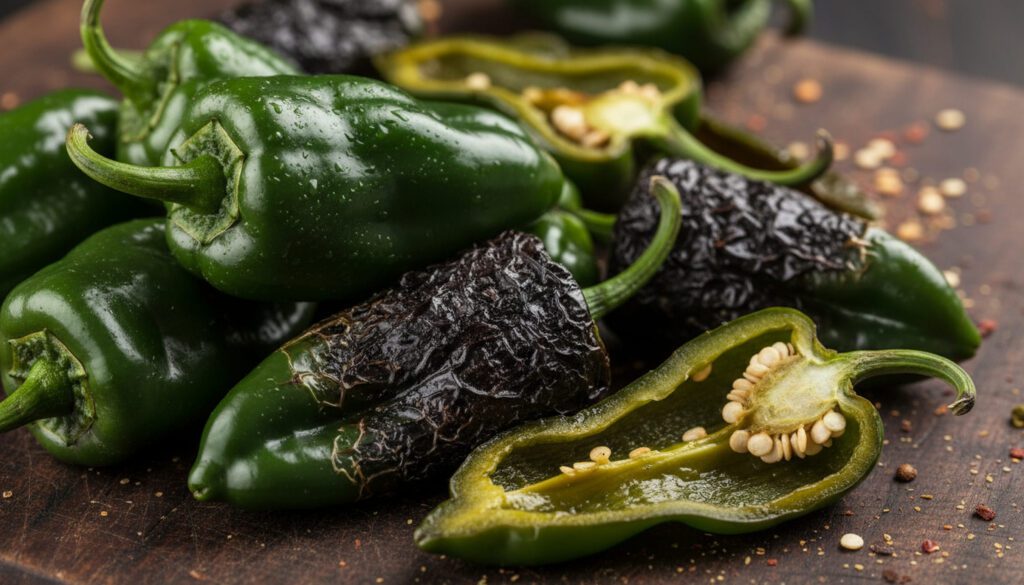
Poblanos are one of the most useful flavor peppers in homemade salsa. They are mild, earthy, and slightly rich, especially when roasted. They will not make a hot salsa on their own, but they add depth that many hotter peppers lack.
This is a smart pepper to use if you want a family-friendly batch with more flavor than plain bell peppers can offer. Poblanos also pair well with tomatoes, onions, corn, and black beans in chunkier salsas. For
Anaheim
Anaheim peppers are mild, versatile, and often overlooked. Their flavor is a little sweeter and less earthy than a poblano, with very gentle heat. They are a practical choice for large-batch salsa when you need volume without too much spice.
Because they are mild, Anaheim peppers are often best paired with jalapenos or serranos so the salsa does not taste flat. Think of them as a foundation pepper. They contribute bulk and flavor while letting hotter peppers do the heavier work.
Bell pepper
Bell peppers are not traditional in every salsa, but they can be useful in the right recipe. Red bells add sweetness. Green bells add a more assertive, grassy note. Yellow and orange bells are mild and fruity.

If you are making a fresh garden salsa for a crowd that prefers low heat, bell peppers can stretch the batch and add color. The caution is that too much bell pepper can overwhelm the tomato flavor and shift the balance away from a traditional salsa profile.
Hatch or other New Mexico green chiles
These peppers bring a roasted, savory quality that can transform salsa. Heat varies by variety, but many fall in the mild-to-medium range. Their flavor is the real value here – slightly smoky, earthy, and fuller than standard green peppers.
These are excellent for green salsa or roasted tomato salsa. If you have access to them in season, roast and peel before using for the best texture. They can be worth preserving separately too, so you have a ready ingredient for future batches.
Fresno
Fresnos are actually one of my favorite salsa peppers because they ripen red while jalapeños are often harvested green. Fresno peppers are often compared to jalapeños because they share a similar shape and heat level. As they ripen to red, however, they develop a sweeter, fruitier flavor that complements tomato-based salsa exceptionally well.
If your salsa leans tomato-forward, Fresnos can be a strong fit. They add brightness without the harsher edge some peppers carry. They are also useful when you want red salsa with heat that looks as lively as it tastes. Feel confident substituting Frenso peppers for jalapeños in your canning recipe.
Habanero
Habaneros are not for every batch, but they deserve a place on the list because they bring both intense heat and distinct fruitiness. Used carefully, they can make salsa taste exceptional. Used carelessly, they can ruin an entire pot.
This is a pepper for heat-loving households. Start small – far smaller than you think you need. Often times, habanero peppers are paired with sweet fruits like pineapple to distribute the heat and allow the sweetness to soften the blow. Habaneros pair well with fruit salsas, tomato salsas, and roasted pepper blends, but they should support the recipe, not hijack it.
A single habanero often provides enough heat for an entire batch of salsa, so add it gradually and taste as you go.
How to choose peppers based on the salsa you want
If you want a classic fresh salsa, start with jalapenos or serranos and then add a small amount of poblano or bell pepper for body. Fresh salsa benefits from peppers that stay crisp and bright. Overly soft or heavily roasted peppers can weigh it down.
If you want a cooked salsa for tacos, eggs, or pantry storage, then I recommend using poblanos, Anaheims, Hatch chiles, and jalapenos. They all work well and are commonplace in canned salsa. Cooking the salsa softens their sharper edges and helps the flavors meld. This is also where roasted peppers really shine.
If you want a mild family salsa, choose Anaheim, poblano, and a limited amount of jalapeno. If you want a medium salsa, use jalapeno as the base and add serrano. If you want hot salsa, build from jalapeno and serrano, then add habanero very cautiously.
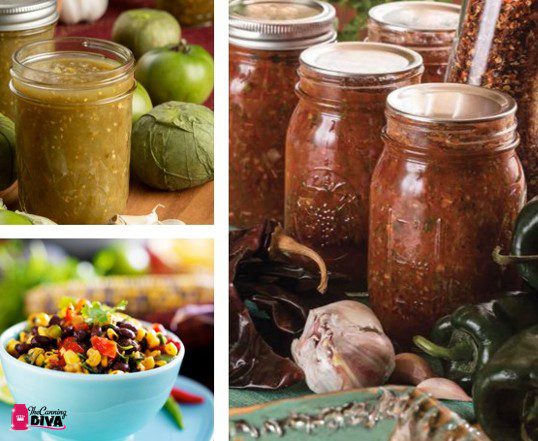
Building Salsa for the Pantry
Making fresh salsa and making salsa for the pantry are two different approaches. A fresh salsa can be adjusted on the fly. If it needs another pepper, a little more onion, or extra cilantro, you simply taste and tweak until you’re happy with the result.
Home
One of the easiest ways to customize the heat of a canned salsa is to substitute one variety of pepper for another while keeping the overall measured quantity of peppers the same, or less than the measured amount. Swapping jalapeños for serranos, Anaheims for poblanos, or Fresnos for jalapeños allows you to fine-tune the flavor profile without dramatically changing the pH balance of the recipe. Increasing the total amount of peppers, onions, or other low-acid vegetables, however, is where you begin changing the overall composition of the salsa.
The goal in home canning isn’t to limit creativity, it is to understand how the ingredients work together to produce the desired flavor. Once you understand the balance, you can confidently choose peppers that suit your family’s taste while producing jars you’ll enjoy opening long after harvest.
About the Author:
Diane Devereaux, The Canning Diva®, is an internationally recognized food preservation expert, author, and educator with over 30 years of home canning experience. She’s the author of multiple top-selling canning books and teaches workshops across the U.S. Learn more at TheCanningDiva.com.