
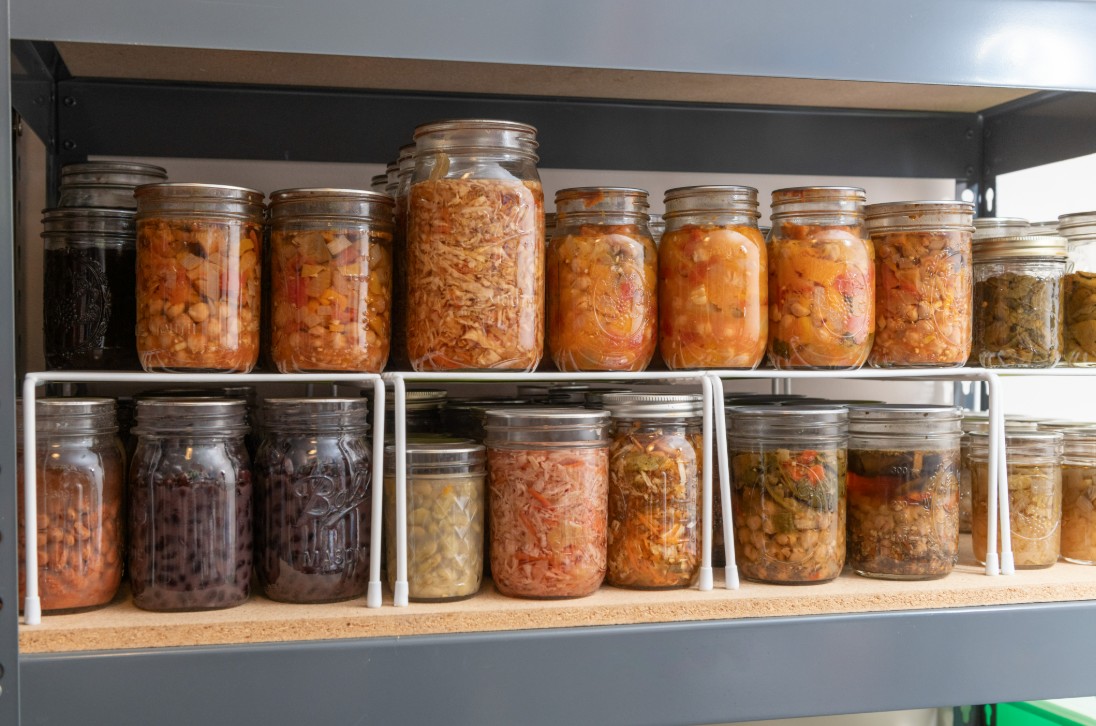
Build Pantry Resilience One Jar at a Time
Pantry resilience is your household’s ability to maintain a dependable food supply through thoughtful storage, safe food preservation, regular rotation, and practical cooking skills. A resilient pantry combines shelf-stable foods, preserved ingredients, and everyday meal planning to reduce dependence on frequent grocery shopping.
I sometimes use affiliate links in my content. This will not cost you anything but it helps me offset my costs to keep creating new canning recipes. Thank you for your support.
Last updated: October 23, 2026
By Diane Devereaux | The Canning Diva®
What Is Pantry Resilience and Why Does It Matter?
A well-stocked pantry does more than keep food on the shelves. It gives you options. Whether grocery prices climb, a storm interrupts your routine, or your garden produces more tomatoes than you know what to do with, a resilient pantry helps you put wholesome, familiar meals on the table without depending on another trip to the grocery store.
I have spent years teaching people how to preserve food, and one lesson remains constant: food preservation is about far more than just filling jars. It is about learning practical skills that give you greater control over what you eat, how much you spend, and how you provide for your household.
Building pantry resilience does not require an enormous budget, a basement full of supplies, or a garden that stretches for acres. It starts with understanding what your family eats, preserving foods you will actually use, and developing a dependable system that works throughout the year. And yes, you can build that kind of independence one jar at a time.

Food storage gives you something to eat. Food independence gives you the knowledge and skills to acquire, preserve, prepare, and replenish that food. When you understand how to pressure can vegetables, dehydrate seasonal produce, store dry staples, and prepare meals from scratch, you become more resourceful regardless of what happens outside your home.
Your pantry should support your everyday life, not sit untouched while you wait for an emergency. A modest collection of home-canned soups, beans, meats, tomatoes, broth, and dry staples can provide tremendous flexibility. These ingredients help you prepare meals when schedules become hectic, grocery budgets tighten, or unexpected circumstances interrupt your routine.
For households just beginning their preparedness journey, my guide to building a three-month emergency food and water stockpile offers another practical starting point.
Start Building Your Pantry Around the Meals You Already Cook
Before purchasing cases of canned goods or filling buckets with dry ingredients, take a good look at what your household actually eats.
Choose six to ten meals your family enjoys regularly. Think about spaghetti, chili, chicken soup, tacos, vegetable stew, casseroles, and rice dishes. Then identify the ingredients you need to prepare those meals.
This simple exercise helps you build a pantry with purpose rather than collecting foods you may never use.
For example, a hearty chili dinner might include home-canned tomatoes, pressure-canned beans, ground beef, onions, and dried seasonings. You could also use home-canned beef or prepare a complete meal ahead of time with my Chili Con Carne Canning Recipe. That single jar provides a convenient meal without requiring you to thaw meat or spend an hour preparing dinner.
Think about how one ingredient can serve several purposes. Home-canned chicken works beautifully in chicken salad, pot pie, casseroles, and soup. Diced tomatoes become the foundation for chili, pasta sauce, stews, and countless other dishes.
The more ways you can use an ingredient, the more valuable it becomes in your pantry.
Build a Resilient Pantry Using Multiple Food Storage Methods
A dependable pantry does not rely on one preservation method. Instead, combine several approaches to create flexibility, convenience, and variety.
Each food storage method offers different advantages.
- Everyday dry staples: Rice, pasta, oats, flour, dried beans, lentils, sugar, salt, and baking supplies form the foundation of countless meals. Store these ingredients in appropriate containers that protect them from moisture, pests, and excessive heat.
- Home-canned foods: Pressure-canned meats, vegetables, beans, soups, and broth provide convenient shelf-stable ingredients. Properly processed fruits, jams, pickles, and tomato products add variety and flavor.
- Dehydrated foods: Dried vegetables, fruits, herbs, and other suitable ingredients require relatively little storage space. Many rehydrate beautifully in soups, sauces, and cooked dishes.
- Frozen foods: Freezing helps preserve meats, vegetables, fruits, and prepared meals while maintaining desirable textures. However, a freezer depends on electricity, making it important to maintain shelf-stable alternatives.
- Fresh and stored produce: Potatoes, onions, garlic, winter squash, and other storage crops can extend your harvest when you provide appropriate storage conditions. Indoor herbs and microgreens can supplement meals with fresh ingredients.
You do not need every method immediately. Start with the skills and equipment you already have, then expand as your experience grows. A combination of home canning and dehydrating can prove especially useful because neither requires electricity to maintain the finished food under normal storage conditions.
Preserve Food for the Way You Cook
One of the biggest mistakes people make when building a food pantry is preserving foods simply because they have an abundance of them.
Before filling dozens of jars, ask yourself how often you will use the finished product.
If your household enjoys green beans, pressure can green beans. If you frequently prepare pasta dishes, preserve tomato sauce. If you love hearty soups, stock your shelves with home-canned broth, beans, vegetables, and meats. Consider how different forms of the same ingredient can simplify meal preparation.
For instance, tomatoes offer tremendous versatility. You can preserve diced tomatoes for soups and casseroles, tomato sauce for pasta dishes, and salsa for tacos and quick appetizers.
My Basil Diced Tomatoes Canning Recipe demonstrates how a simple pantry staple can bring additional flavor to everyday meals. Preserving complete meals also saves valuable preparation time. A jar of home-canned chili or another properly processed meal can turn a busy evening into a simple heat-and-serve dinner.
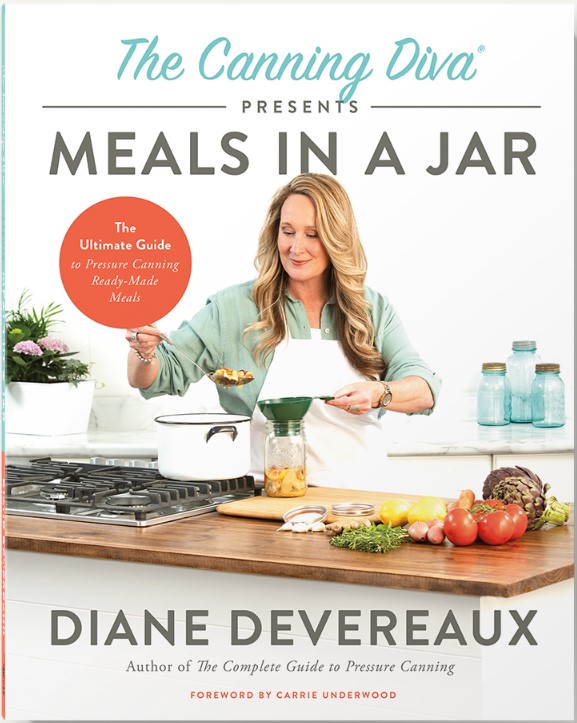
Love Canning Meals in a Jar?
Bring delicious, ready-to-eat meals to your pantry! In Meals in a Jar, I share flavorful pressure canning recipes to simplify meal making and build a well-stocked pantry. Explore over 90 recipes inspired by international cuisines, comforting family favorites, and hearty one-jar meals.
Organize and Rotate Your Pantry to Reduce Food Waste
A resilient pantry only works when you know what you have and use it regularly.
Choose a cool, dry, dark storage location whenever possible. Excessive heat, sunlight, and moisture can shorten food quality and damage packaging. After your home-canned jars cool and you confirm their seals, remove the screw bands, clean the jars as needed, and label each one with its contents and processing date.
Organize your shelves so older foods remain easy to reach. Place newer jars behind older ones and practice the first-in, first-out method. I also recommend maintaining a simple pantry inventory. You do not need an elaborate spreadsheet unless you enjoy that level of organization. A notebook or printed checklist can work just as well.
Record the foods you preserve, their quantities, and the dates you prepared them. As you use ingredients, update your inventory so you can identify what needs replenishing.
For best quality, plan to use most home-canned foods within approximately one year and preserve quantities that fit your household’s eating habits. Proper storage and intact seals matter, but remember that an attractive jar and a normal smell cannot guarantee food safety.
Practice Cooking From Your Pantry Before an Emergency
One of the best ways to evaluate your pantry is to use it!
I encourage households to create a simple pantry challenge. Choose two or three days and prepare your meals primarily from foods you already have on hand. Avoid making unnecessary grocery trips. Instead, look at your ingredients and determine what you can create.
You may discover that a jar of home-canned chicken, some rice, and dehydrated vegetables make a satisfying dinner. Perhaps canned beans, tomatoes, and dried seasonings become a hearty soup. This exercise reveals which ingredients you use most often, which foods you need to replenish, and which items simply occupy valuable shelf space.
Take the challenge a step further by considering how you would prepare those meals during a power outage.
- Do you have a safe alternative cooking method?
- Can you prepare nutritious meals without refrigeration?
- Do you have enough drinking water and additional water for food preparation?
My article on emergency water storage for the home explains why water deserves the same attention as your food supply. Pantry resilience involves more than possessing ingredients. It means having the knowledge, equipment, and confidence to turn those ingredients into meals.
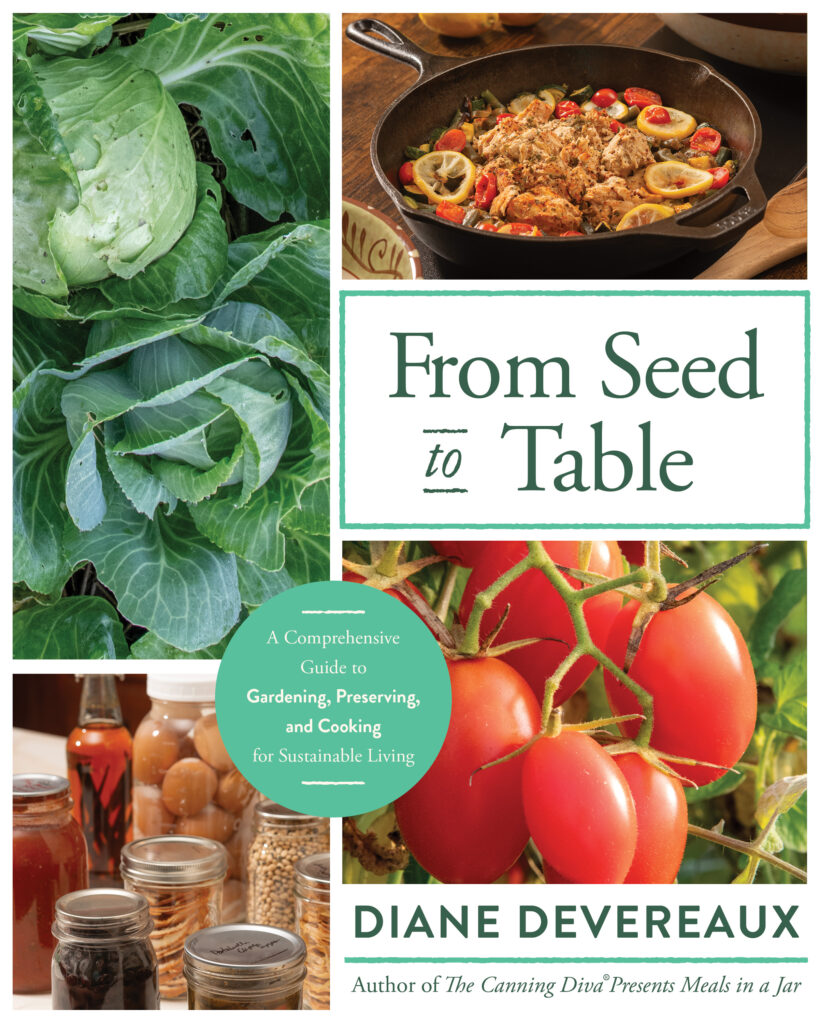
From Seed to Table: Grow It, Preserve It, Enjoy It!
Discover the art of sustainable living in From Seed to Table! Learn to grow productive gardens, collect and save seeds, preserve your harvest using a variety of food preservation methods, and master traditional heritage food crafts.
Explore delicious recipes using your preserved food stores while building greater self-reliance and making the most of every season. Get your copy today and start building a more sustainable, self-reliant lifestyle, one seed at a time!
Save Money by Preserving Seasonal Abundance
Building a resilient pantry can also help you manage grocery expenses. When local growers offer seasonal produce at favorable prices, consider purchasing enough to preserve for future meals. If you maintain a garden, plan your harvest around the foods your family consumes most often.
Preserve strawberries during their peak season, tomatoes when your garden produces abundantly, and vegetables when local markets offer excellent quality and value. However, remember that home canning does not automatically cost less than purchasing commercially canned food. Consider ingredient prices, equipment, jars, lids, energy, and your time when evaluating the savings.
The greatest value often comes from preserving foods you already grow, purchasing seasonal abundance wisely, reducing waste, and preparing convenient ingredients that replace more expensive meal options. A resilient pantry also helps you avoid paying premium prices simply because you need an ingredient immediately.
Rather than rushing to the store for dinner, you can reach for foods you already have. That convenience has value, especially when you combine it with the satisfaction of knowing exactly what goes into your meals.
How to Start Building Pantry Resilience on a Budget
You do not need to build your entire food supply in one shopping trip. In fact, I recommend the opposite.
Begin with a manageable plan and expand your pantry as your budget allows.
- Identify five favorite meals. Write down the ingredients each meal requires and highlight those you can safely store long-term.
- Inventory your existing food. Check cupboards, shelves, freezers, and storage areas before purchasing anything else.
- Choose one preservation skill. Start with water-bath canning, pressure canning, dehydrating, or freezing based on the foods you want to preserve and the equipment you have.
- Purchase extra staples gradually. Add a few frequently used ingredients during regular grocery trips rather than making one expensive purchase.
- Cook from your pantry regularly. Rotate ingredients, track what you use, and replenish foods before your supply runs low.
As your confidence grows, expand your skills and experiment with additional food preservation techniques.
Most importantly, do not compare your pantry to someone else’s. A household of two will have different needs than a family of six. Storage space, dietary preferences, climate, and budget all influence your approach. The goal is not to own the most food. The goal is to maintain a useful, dependable supply that supports your household.
Build Food Independence One Jar at a Time
Pantry resilience develops through consistent habits, practical knowledge, and a willingness to learn. Every jar of home-canned food, every batch of dehydrated vegetables, and every meal you prepare from stored ingredients strengthens your ability to provide for yourself and your family.
You do not need to become completely self-sufficient overnight. Start with foods you enjoy, preserve what makes sense, and develop a routine that keeps your pantry organized and productive.
As I explain in my article on home canning, food preservation, and food security, preserving food strengthens more than your household inventory. It helps keep valuable heritage skills alive while giving you greater control over your food supply.
A resilient pantry does not happen overnight, and it certainly does not require panic buying. It grows through experience, thoughtful planning, and everyday use. Start with one recipe, one preservation skill, or one additional shelf of useful ingredients. Before long, those small decisions will create something far more valuable than a collection of jars.
They will give you confidence, flexibility, and greater food independence, one jar at a time.
About the Author:
Diane Devereaux, The Canning Diva®, is an internationally recognized food preservation expert, author, and educator with over 30 years of home canning experience. She’s the author of multiple top-selling canning books and teaches workshops across the U.S. Learn more at CanningDiva.com.