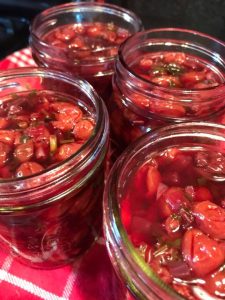
Check this out!
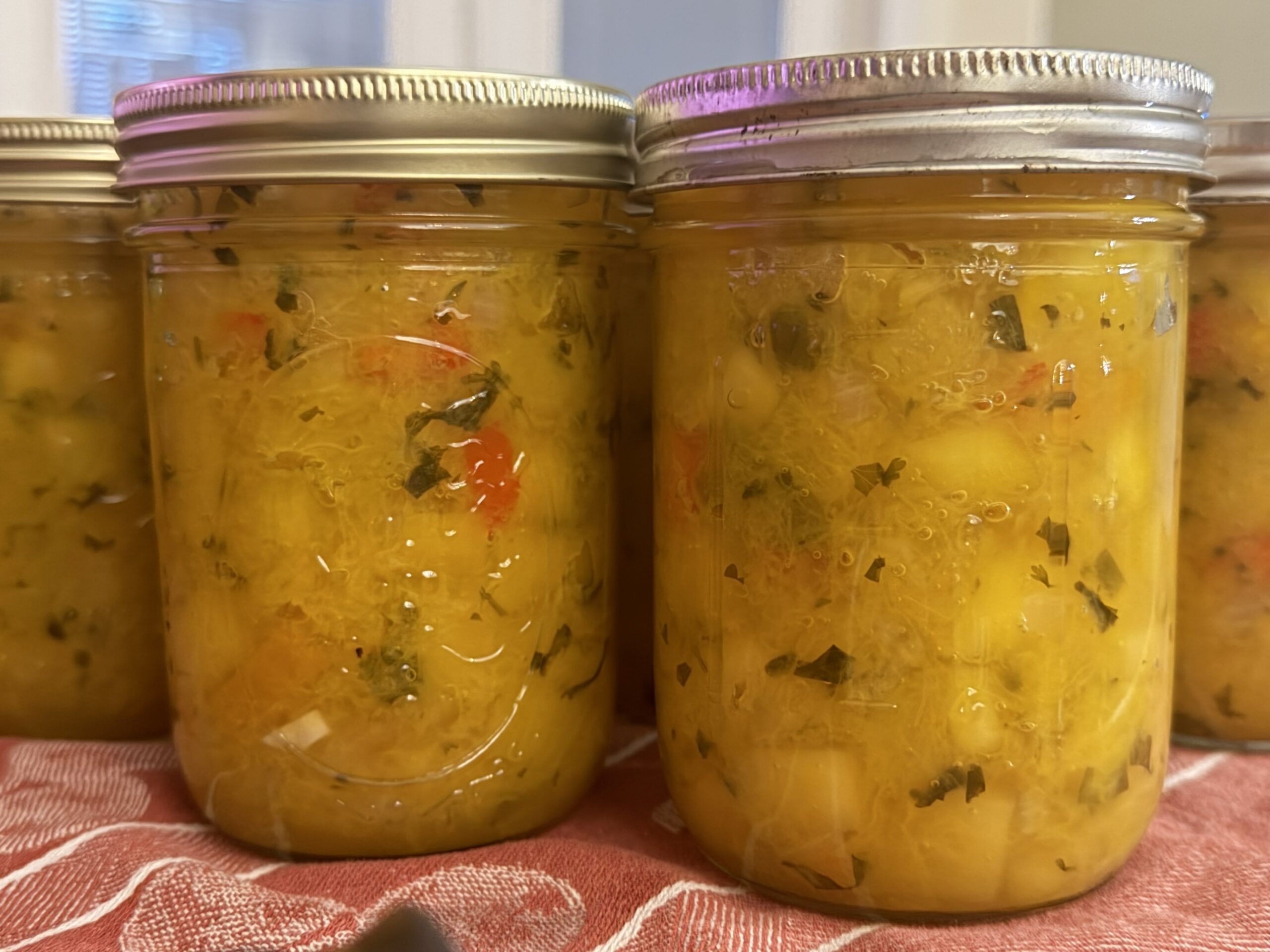
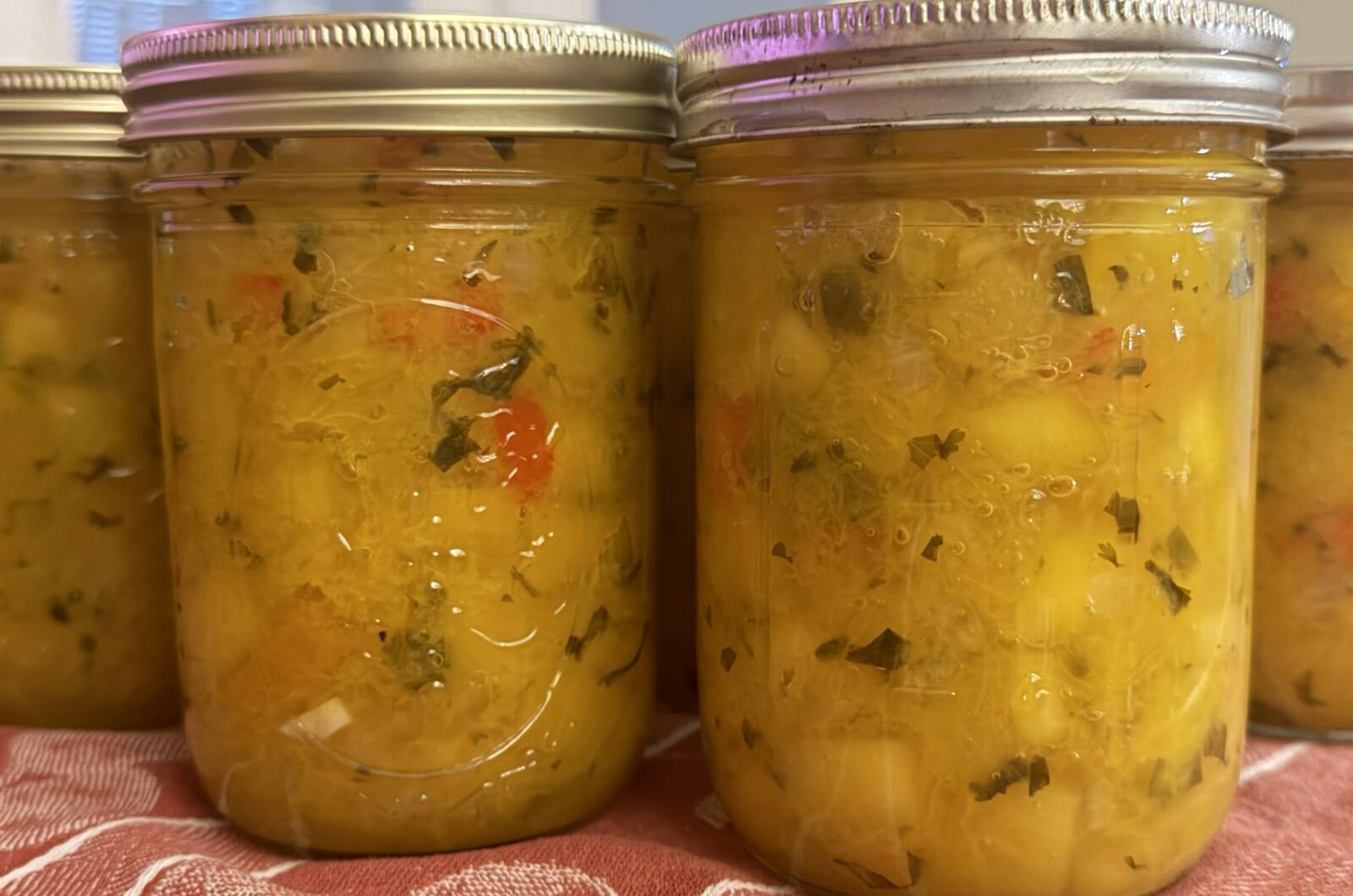
Mango Salsa Canning Recipe
Sweet, juicy mangoes bring a tropical twist to traditional tomato salsa, creating a vibrant blend of fruit, vegetables, herbs, and peppers that pairs beautifully with everything from tortilla chips to grilled seafood. When combined with the proper balance of acid and prepared using a safe home canning method, mango salsa can be preserved to enjoy long after mango season has ended. Understanding how mangoes contribute sweetness, texture, and nutrition helps home preservers create a salsa that is both flavorful and pantry-worthy.
(I sometimes use affiliate links in my content. This will not cost you anything but it helps me offset my costs to keep creating new canning recipes. Thank you for your support.)
By Diane Devereaux | The Canning Diva®
Last updated: July 2, 2026
Key Takeaways
- Mangoes add natural sweetness, vibrant color, and a smooth texture that balances the acidity of tomatoes and citrus.
- Most mangoes sold in the United States are imported from tropical and subtropical regions where warm temperatures allow the fruit to fully mature.
- Mangoes are naturally rich in vitamin C, vitamin A, dietary fiber, and antioxidants that support overall health.
- A combination of ripe-but-firm mangoes and fresh vegetables creates the best texture for home-canned salsa.
- Mango salsa complements seafood, chicken, pork, tacos, rice bowls, salads, and grilled vegetables while also making an excellent dip for tortilla chips.
All About Mangoes
Mangoes have been cultivated for thousands of years and remain one of the world's most widely grown tropical fruits. Native to South Asia, they are now produced throughout warm regions of the world where frost-free climates allow the trees to flourish. Today, countries including India, Mexico, Thailand, Indonesia, Brazil, and the Philippines are among the largest commercial producers, with Mexico supplying much of the fresh mangoes found in grocery stores throughout the United States.
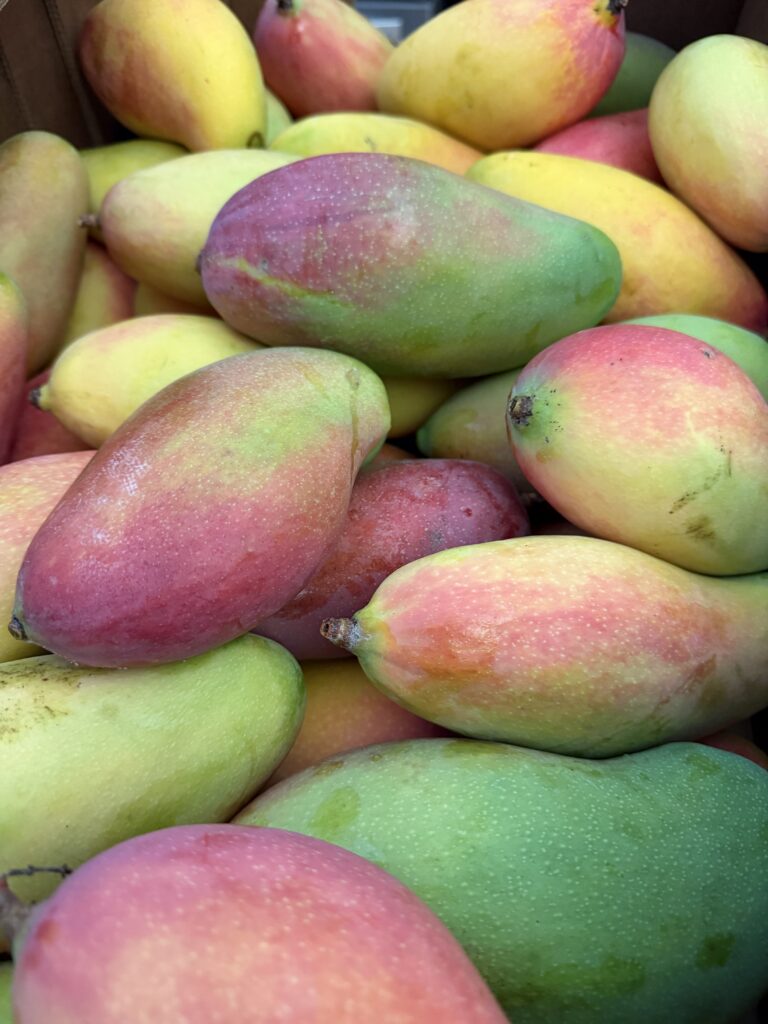
Depending on the variety, mangoes range in color from green and golden yellow to deep orange and red. Their flesh is smooth, juicy, and naturally sweet with subtle floral notes that become more pronounced as the fruit ripens. While dozens of varieties are available worldwide, shoppers in North America most commonly encounter Tommy Atkins, Kent, Keitt, Ataulfo (often called Honey Mangoes), and Haden mangoes. Each offers slightly different levels of sweetness, fiber, and texture, making them suitable for different culinary applications.
A mango is ripe when you gently press it and it gives slightly, yet is firm enough to hold its shape after dicing. Overripe fruit will greatly compress when squeezed. Underripe is typically still green in color and very firm when pressed, with no give of softness. Let those ripen more before using. Underripe mangoes lack the sweetness and aroma that make this salsa so distinctive. Selecting fruit at the peak of ripeness gives the finished salsa its signature balance of sweet flavor.
Why Mangoes Make Great Salsa
Unlike many fruits that lose their character when cooked, mangoes retain much of their texture and natural sweetness during the canning process. They soften just enough to blend beautifully with peppers, onions, and cilantro while still offering pleasant bites of fruit throughout the finished salsa.
Their sweetness naturally tempers the heat from jalapeños or other peppers, allowing spicy flavors to shine without overwhelming the palate. At the same time, the brightness of vinegar and citrus juice keeps the salsa lively and refreshing rather than overly sweet. The result is a balanced condiment that feels equally at home beside grilled fish, smoked pork, roasted chicken, tacos, burrito bowls, or simply served with crisp tortilla chips.
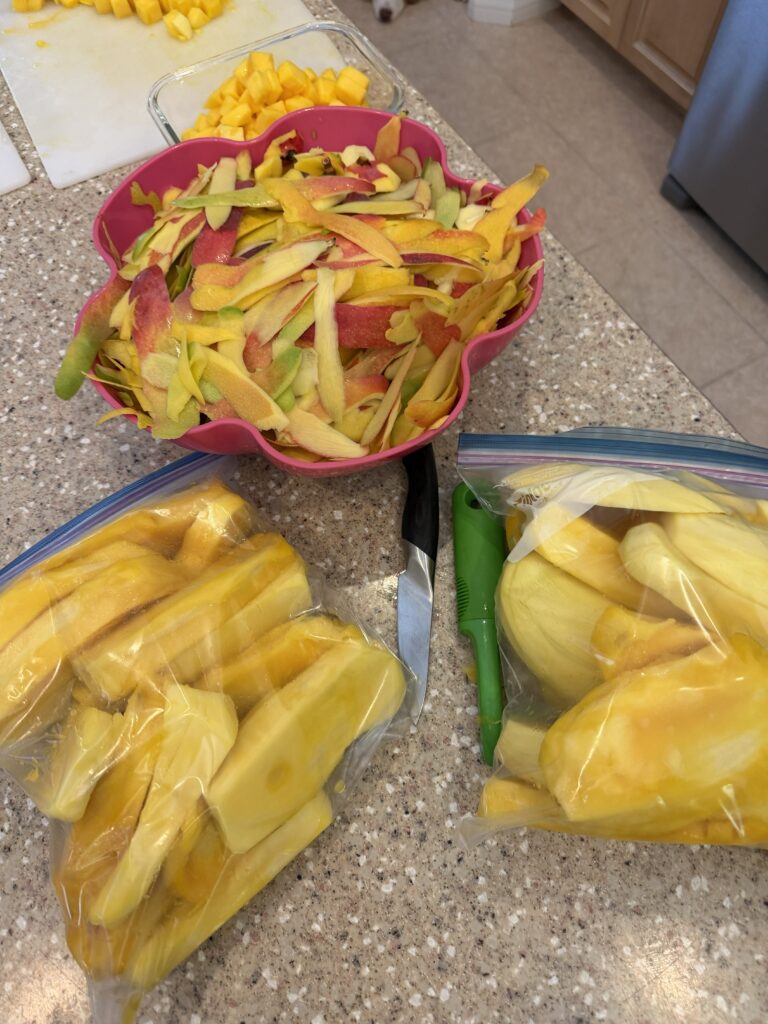
This recipe was originally developed after harvesting nearly 30 tree-ripened mangoes in southwest Florida and yielded approximately 20 pints. The recipe below has been reduced by half to make it more manageable for the average home canner. If you're preserving a large harvest, simply double the ingredients.
One last tip before you begin—don't throw away the mango seeds! After trimming away the remaining fruit, rinse the seeds clean and place them in freezer bags. Freeze them until you're ready to use them to make jelly. The seeds still contain wonderful mango flavor and natural pectin, making them far too valuable to toss in the compost.
Mango Salsa Canning Recipe
This salsa strikes a wonderful balance between sweet and savory. The natural sweetness of ripe mangoes pairs beautifully with colorful bell peppers, red onion, fresh cilantro, and bright lime juice. If you enjoy a little heat, stir in a few finely diced jalapeños to give the salsa a pleasant kick without overpowering the fresh mango flavor. From tortilla chips and grilled fish to tacos, chicken, and shrimp, this bright, tropical salsa is one you'll reach for again and again.
Yield: 10 pints or 20 half-pints
Ingredients
- 22 ½ cups peeled and diced mangoes (approximately 15-20 large mangoes)
- 1 bunch cilantro, chopped
- 4 cups diced bell peppers (red, orange, and yellow)
- 1 ½ cups finely diced red onion
- 1 cup raw cane sugar
- ½ cup bottled lime juice
- ½ tablespoon salt (optional)
- 1 to 3 jalapeños, finely chopped (optional, for heat)
Instructions
- Combine the mangoes, cilantro, bell peppers, red onion, sugar, lime juice, and salt in a large stockpot. If you prefer a spicier salsa, stir in the chopped jalapeños.
- Bring the mixture to a gentle boil over medium-high heat, stirring frequently to prevent scorching. Cook for 20 minutes, continuing to stir occasionally.
- Ladle the salsa into hot, prepared jars, leaving ½-inch headspace.
- Remove any trapped air pockets and add additional salsa if necessary to maintain the ½-inch headspace. Wipe the jar rims with a washcloth dipped in vinegar, and apply the lids and rings and hand tighten.
- Process pint jars in a boiling water canner for 20 minutes. Process half-pint jars for 15 minutes, adjusting for altitude if necessary. Do not start your timer until the water is at a full rolling boil.
Notes
- Tree-ripened mangoes are often much larger than grocery store mangoes. Always measure the diced fruit by the cup rather than by the number of mangoes.
- My original recipe yielded 20 pints, so I cut in half for a more manageable batch of about 10 pints. Feel free to scale this recipe up or down to suite your desired outcome.
- Don't discard the mango seeds! Freeze them in freezer bags and save them for making jelly.
Mango Salsa Canning Recipe
This salsa strikes a wonderful balance between sweet and savory. The natural sweetness of ripe mangoes pairs beautifully with colorful bell peppers, red onion, fresh cilantro, and bright lime juice. If you enjoy a little heat, stir in a few finely diced jalapeños to give the salsa a pleasant kick without overpowering the fresh mango flavor. From tortilla chips and grilled fish to tacos, chicken, and shrimp, this bright, tropical salsa is one you'll reach for again and again.
Servings
10 pints or 20 half-pints
servingsPrep time
40
minutesIngredients
22 22 ½ cups peeled and diced mangoes (approx. 15-20 lg mangoes)
1 1 bunch cilantro, chopped
4 cups 4 diced bell peppers (red, orange, and yellow)
1 1 ½ cups finely diced red onion
1 cup 1 raw cane sugar
½ cup bottled lime juice
½ tablespoon salt (optional)
1 1 to 3 jalapeños, finely chopped (optional, for heat)
Instructions
- Combine the mangoes, cilantro, bell peppers, red onion, sugar, lime juice, and salt in a large stockpot. If you prefer a spicier salsa, stir in the chopped jalapeños.
- Bring the mixture to a gentle boil over medium-high heat, stirring frequently to prevent scorching. Cook for 20 minutes, continuing to stir occasionally.
- Ladle the salsa into hot, prepared jars, leaving ½-inch headspace.
- Remove any trapped air pockets and add additional salsa if necessary to maintain the ½-inch headspace. Wipe the jar rims with a washcloth dipped in vinegar, and apply the lids and rings and hand tighten.
- Process pint jars in a boiling water canner for 20 minutes. Process half-pint jars for 15 minutes, adjusting for altitude if necessary. Do not start your timer until the water is at a full rolling boil.
Notes
- Tree-ripened mangoes are often much larger than grocery store mangoes. Always measure the diced fruit by the cup rather than by the number of mangoes.
My original recipe yielded 20 pints, so I cut in half for a more manageable batch of about 10 pints. Feel free to scale this recipe up or down to suite your desired outcome.
Don't discard the mango seeds! Freeze them in freezer bags and save them for making jelly.
Did you make this recipe?
Tag @canningdiva on Instagram and hashtag it with #thecanningdiva
Like this recipe?
Follow @canningdiva on Pinterest
People Often Ask
Q: Can I use frozen mangoes to make canned mango salsa?
A: Yes, frozen mangoes can be used if they have been thawed and drained before measuring. Keep in mind that frozen fruit may release more liquid than fresh mangoes, so I would suggest draining them as they thaw and capturing the liquid to later make jelly.
Q: Can I make this mango salsa spicy?
A: Absolutely! If you enjoy a little heat, add upwards of 3 finely diced jalapeños to the recipe. Remove the seeds and membranes for a milder salsa, or leave some seeds in for extra spice. You may also us a hotter pepper, keeping the volume the same. Feel free to use dried spices such as red pepper flakes or cayenne. Taste as you go to avoid the salsa being too hot to handle.
About the Author:
Diane Devereaux, The Canning Diva®, is an internationally recognized food preservation expert, author, and educator with over 30 years of home canning experience. She’s the author of multiple top-selling canning books and teaches workshops across the U.S. Learn more at TheCanningDiva.com.