
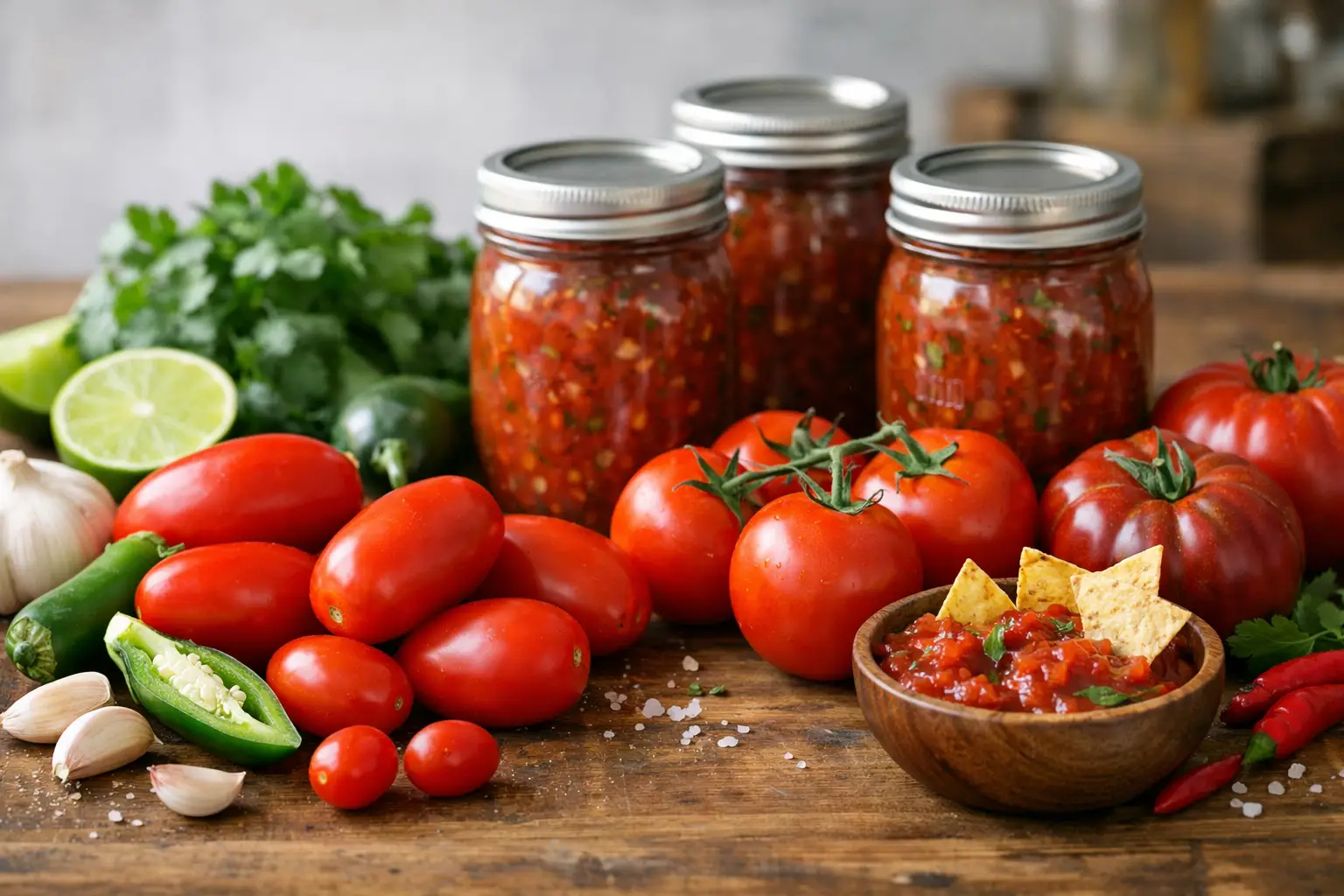
7 Best Tomatoes for Salsa Canning
The best tomatoes for salsa
Key Takeaways
- Paste tomatoes are generally the best choice for salsa
canning because they contain less water and more usable flesh. - Roma, Amish Paste, San Marzano, Opalka, Big Mama, Jersey Devil, and Celebrity are among the top tomato varieties for homemade salsa.
- Dense, meaty tomatoes help create a thicker salsa with less simmering and fewer texture issues.
- Slicing tomatoes can be used for
canning salsa but often require additional draining to remove excess moisture. - Following a tested salsa recipe is essential for maintaining proper acidity and ensuring a safe, shelf-stable product.
(I sometimes use affiliate links in my content. This will not cost you anything but it helps me offset my costs to keep creating new
By Diane Devereaux | The
Last updated: June 4, 2026
What makes the best tomatoes for salsa canning ?
When a batch of salsa turns watery in the jar, the problem usually starts in the garden basket. The best tomatoes for salsa
If you grow your own food or buy in bulk during harvest season, choosing the right tomato matters. It affects how long you simmer, how much draining you do, and whether your finished salsa tastes bright and fresh or thin and flat. For home canners who want a dependable pantry staple, tomato selection is not a small detail. It is part of the process.
A good salsa tomato has more ‘meat’ than juice, fewer seeds, and enough tomato flavor to stand up to onions, peppers, garlic, and acid. That is why paste tomatoes are often the first choice. Their dense flesh helps create a thicker salsa with less cooking time.
That said, paste tomatoes are not the only option. Some slicers and heirlooms can work well if you understand the trade-off. They often bring excellent flavor, but they usually contain more water. That means you may need to peel, core, seed, and drain them more thoroughly before they go into the pot.
For
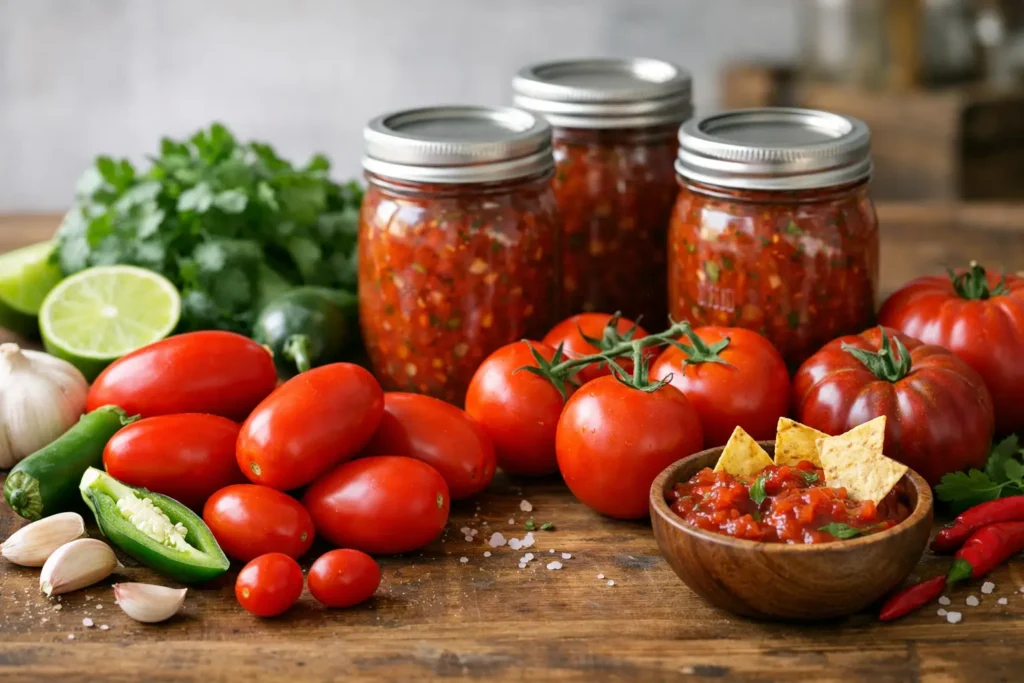
The 7 best tomatoes for salsa canning
Roma
Roma is the standby for a reason. It is meaty, widely available, and easy to prep in volume. The flesh is dense, the seed cavities are smaller than many slicing tomatoes, and the flavor is steady if not especially complex.
For canners putting up multiple batches, Roma is practical. It cooks down efficiently and usually gives a thicker finished salsa without much fuss. If your goal is consistency, Roma is a reliable place to start.
Amish Paste
Amish Paste is an excellent choice when you want the dense texture of a paste tomato with fuller tomato flavor. The fruits are often larger than Roma, which can speed up prep time when you are peeling and chopping by the bucket.
This variety works especially well in chunky salsa. It holds body nicely and does not flood the pot with excess juice. Many experienced preservers prefer it for both yield and flavor.
San Marzano
San Marzano is prized for its rich taste and low moisture. When grown well, it produces a balanced tomato flavor that tastes less sharp than some standard paste varieties. Its flesh is thick, and it can give canned salsa a more finished flavor with less reduction.
The caution is that seed sources and growing conditions matter. Not every tomato sold under this name performs the same way. If you grow your own, choose reputable seed or plants and evaluate the fruit by texture, not name alone.
Opalka
Opalka is a long, pepper-shaped paste tomato known for being exceptionally meaty. It has very few seeds and very little juice, which makes it a strong candidate for salsa
If you prefer a thick, scoopable salsa, Opalka deserves attention. It is not as common in stores, but gardeners who grow for preservation often value it because it reduces prep headaches and improves finished texture.
Big Mama
Big Mama is another large paste tomato that performs well for
Its flavor is generally mild to balanced, so it pairs well with assertive ingredients like hot peppers, cilantro, and garlic. If you want the seasonings to lead while the tomatoes provide body and backbone, this one does the job.
Jersey Devil
Jersey Devil is a productive paste type with a sweet, dense flesh that works well in salsa. It has a distinctive elongated shape and often provides excellent solids for
This is a good variety for home growers who want a tomato that can cross over into sauce and salsa use. That kind of versatility matters when you are trying to make the most of a harvest and reduce waste.
Celebrity
Celebrity is not a paste tomato, but it earns a place here because it is one of the better slicing tomatoes for
You will still need to manage the moisture. Peeling and draining are especially important. But if your garden produced slicers and you need to preserve what you have, Celebrity can be a workable choice.
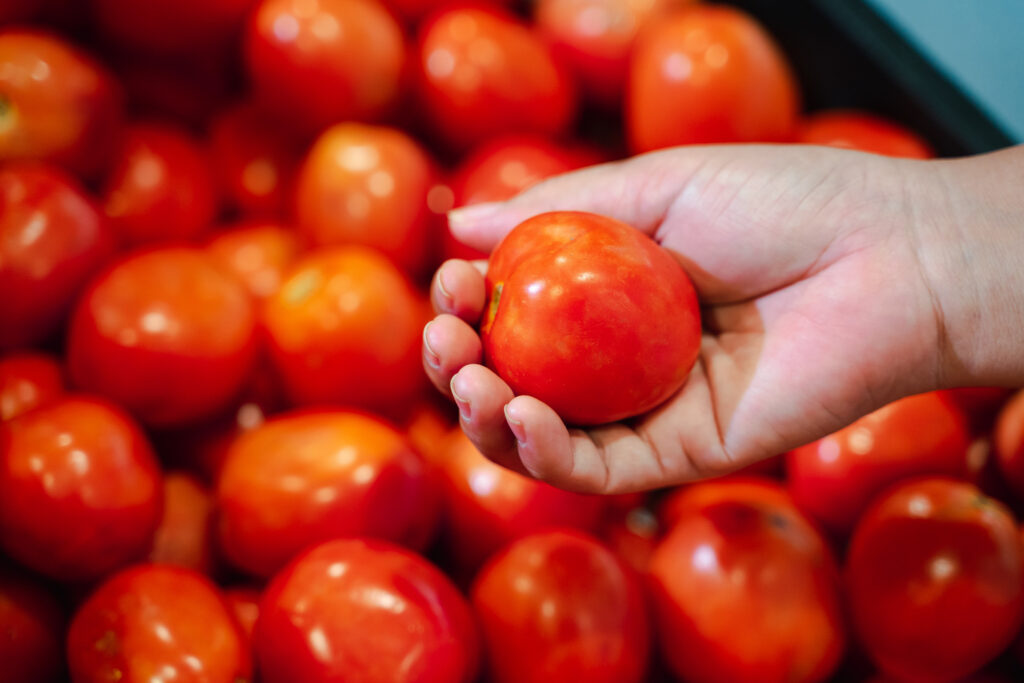
Paste tomatoes versus slicing tomatoes
For most salsa
Slicing tomatoes can still be used, but they ask more from you. They usually contain more gel and more juice, which can water down the mixture if you do not drain them. They can also soften faster during cooking, which changes the final consistency.
There is also a flavor question. Some slicers and heirlooms have outstanding fresh flavor, and that can make a delicious salsa. But in
How to choose tomatoes at harvest
Look for ripe, firm fruit with deep color and no signs of spoilage. Overripe tomatoes can taste fine fresh, but for
If you are buying from a farm stand or market, ask whether the tomatoes are paste or slicing types. Many shoppers assume any red tomato will work the same in salsa. It will not. Uniform ripeness is also a key to look for in a bushel of tomatoes.
Prep matters as much as variety
Even the best tomatoes for salsa
That last part is where many canners go wrong. If you drain heavily but still measure by volume as if the tomatoes were undrained, you may alter the balance of the recipe. Follow the recipe exactly as written, including how ingredients are prepared and measured.
This is also where safety comes in. Salsa is a mixed-acid food. The ratio of tomatoes to peppers, onions, and added acid is not something to improvise. You can adjust dry spices and sometimes swap pepper varieties, but changing the low-acid ingredients or reducing vinegar or bottled lemon juice is not a safe shortcut.
When heirlooms make sense and when they do not
Heirloom tomatoes can make excellent salsa, especially if flavor is your top priority. Varieties like Amish Paste often bridge the gap between heirloom character and
If your goal is food storage, not just a one-time batch, it pays to be practical. A tomato with ideal fresh-eating flavor but poor
A smart approach for gardeners and bulk buyers
If you are planning your garden around pantry production, plant mostly paste tomatoes and a smaller number of slicers for fresh eating. That gives you the best return when
If you are buying by the box, inspect before you commit. Choose tomatoes that feel heavy for their size but still firm, with smooth skin and no soft spots. One poor box can slow down your whole preservation day.
This is the kind of planning that builds a reliable pantry. It is also the kind of practical skill-building The
A good jar of salsa starts before the knife hits the cutting board. Choose tomatoes with intention, respect the tested recipe, and you will put up a pantry staple that tastes like summer and serves your table well long after the harvest is gone.
People Often Ask
A: The best tomatoes for salsa canning are typically paste varieties such as Roma, Amish Paste, San Marzano, Opalka, Big Mama, and Jersey Devil. These tomatoes contain less water, fewer seeds, and more flesh, making it easier to create a thick, flavorful salsa without excessive cooking.
A: Yes, regular garden tomatoes can be used for salsa canning, but their higher water content may result in a thinner salsa. Many home canners peel, core, seed, and drain slicing tomatoes before using them in a tested salsa recipe to improve consistency.
A: Paste tomatoes make better salsa because they contain more solids and less juice than most slicing tomatoes. Their dense texture helps create a thicker finished salsa, reduces cooking time, and improves overall yield during the canning process.
About the Author:
Diane Devereaux, The